What an 82-Year-Old Woman Taught Me About Aging Well
When Ana came to visit us, I assumed I would be the one taking care of her. She is 82 years old, after all. Instead, after six weeks of having her in our home, I found myself wondering whether I should have been taking notes.
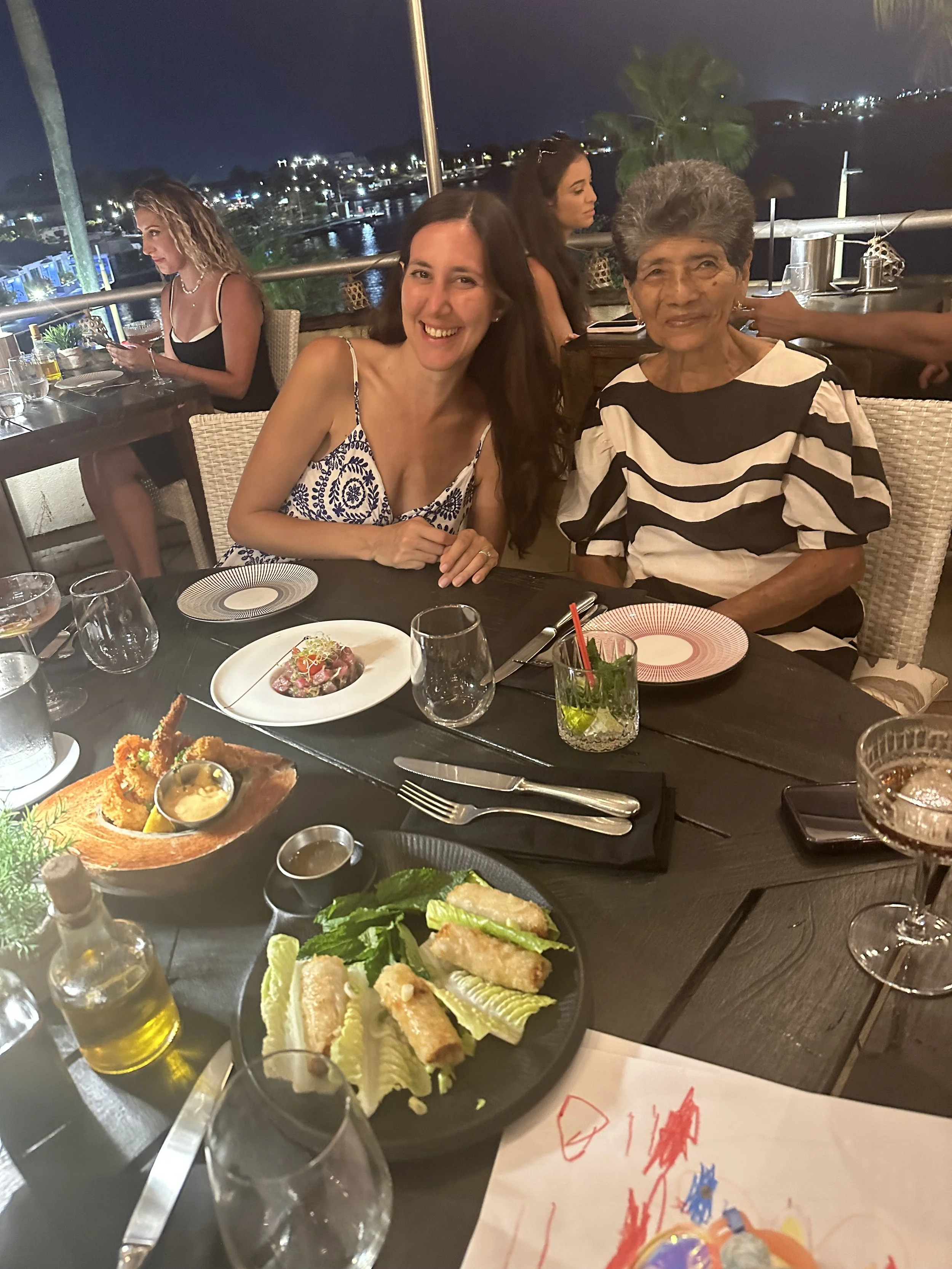
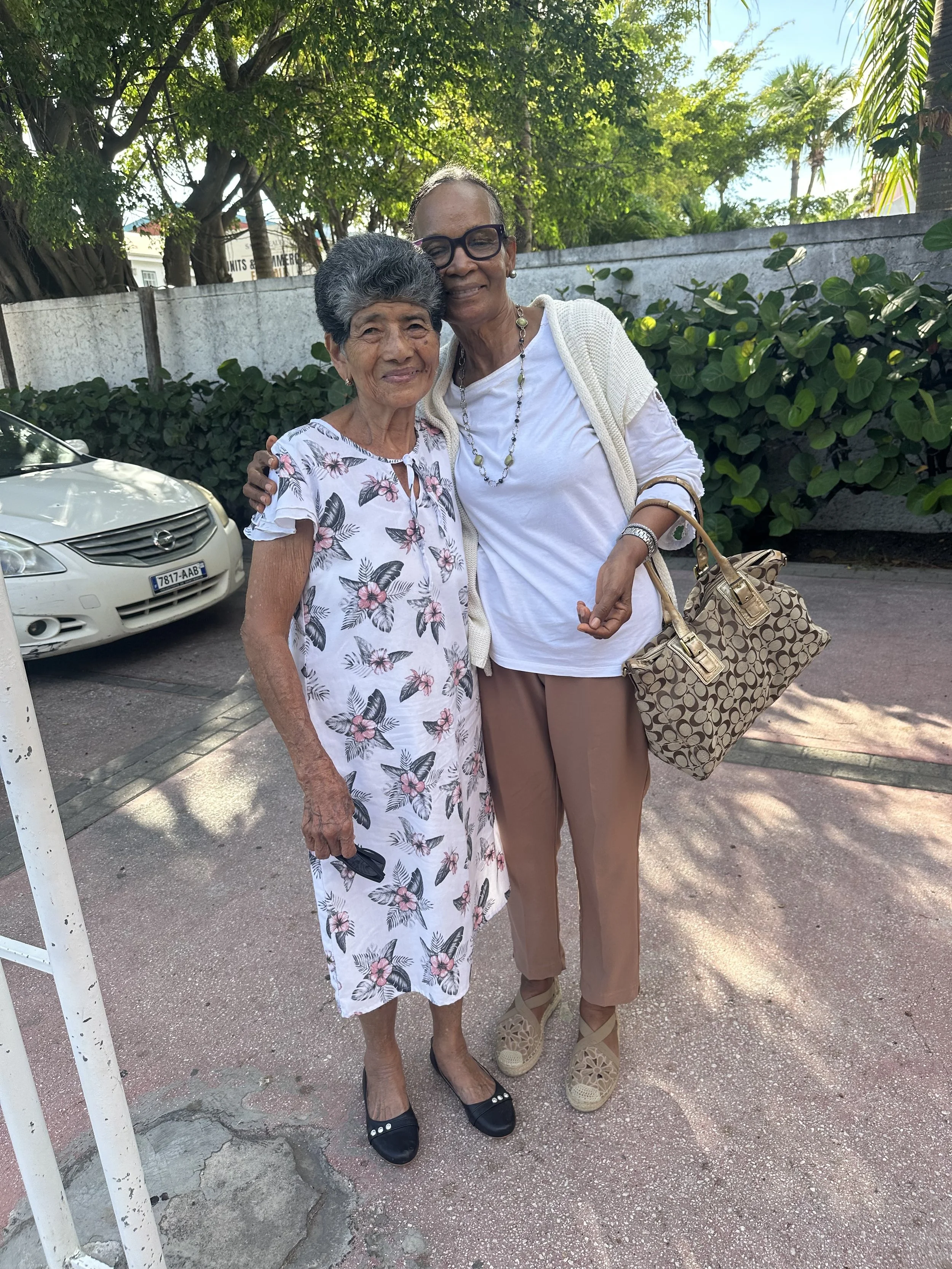
Ana is not just any 82-year-old woman to me. She has been part of my life since the day I was born. She was my nanny and lived in my home for more than 30 years. She was there throughout my entire childhood, part of the fabric of my everyday life: the person who helped care for me, watched me grow up, and eventually became, in many ways, part of our family.
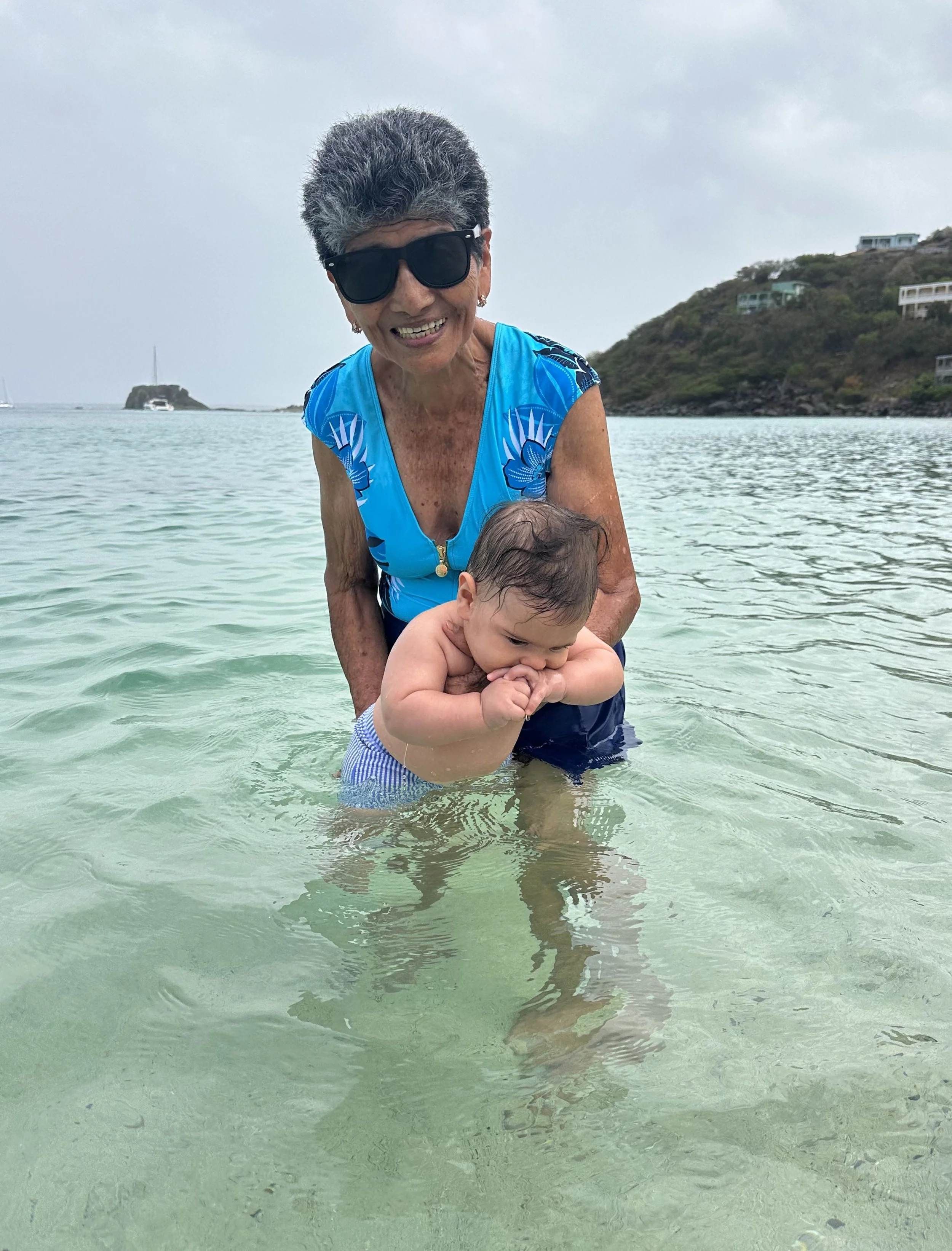
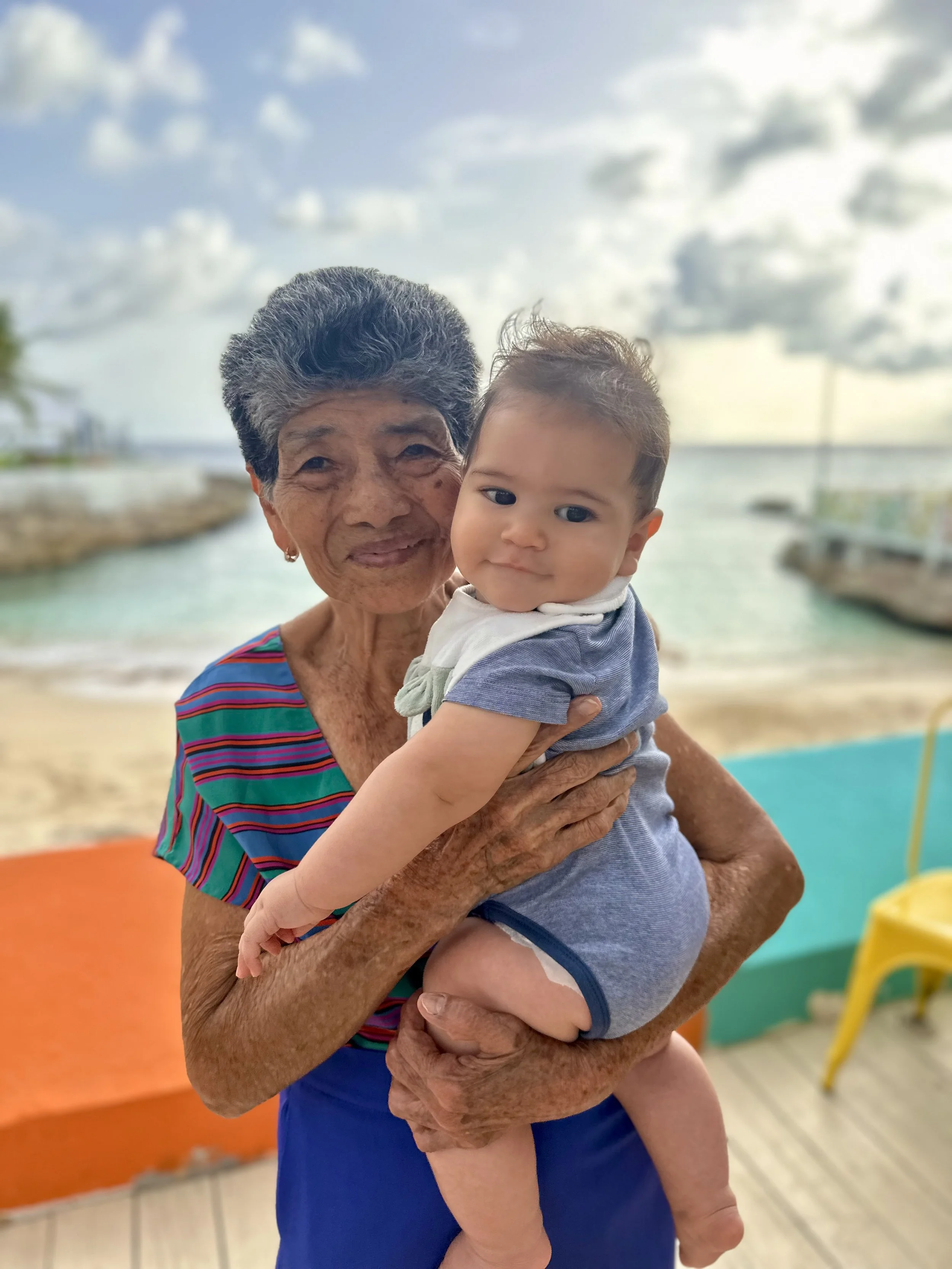
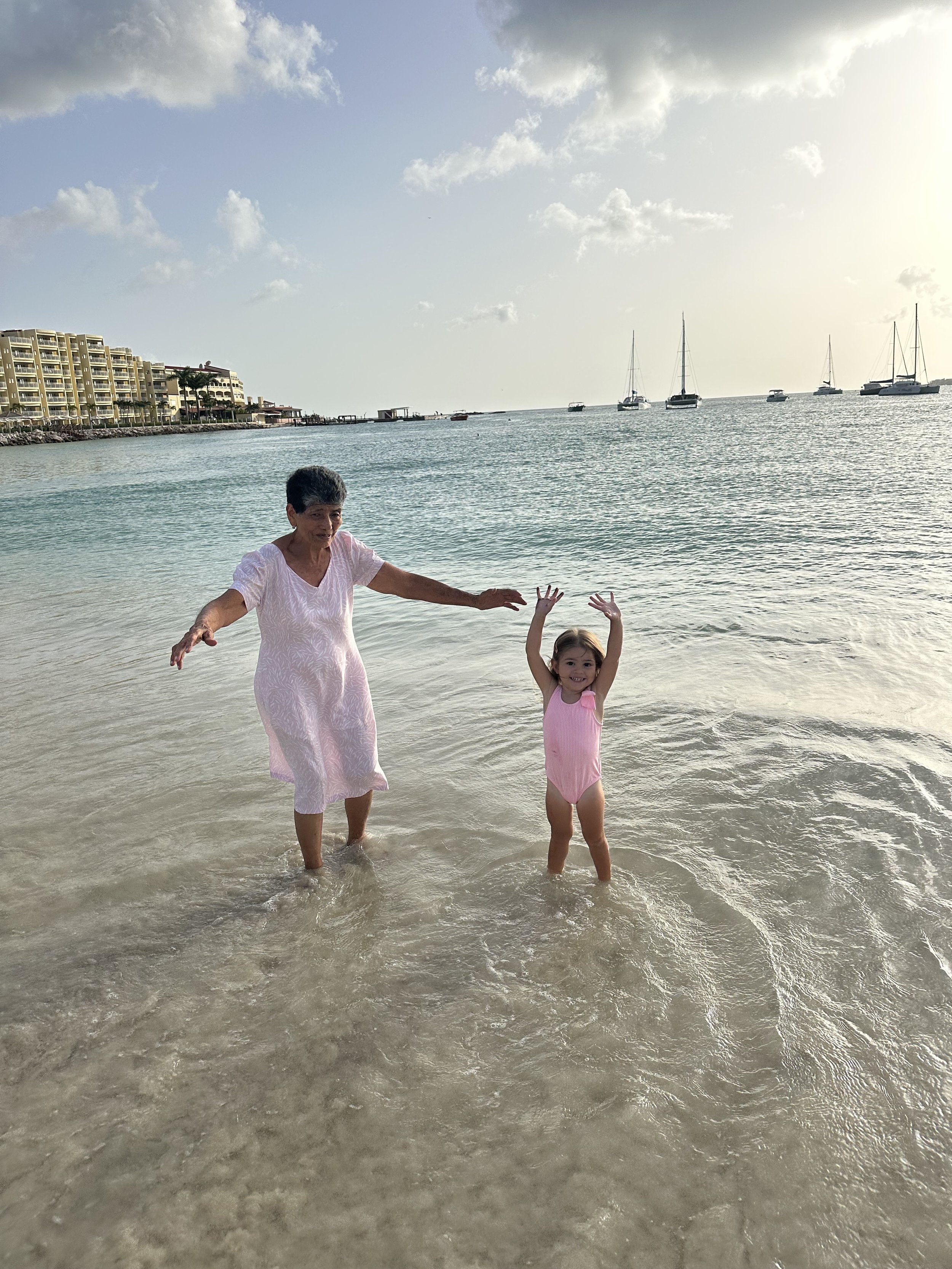
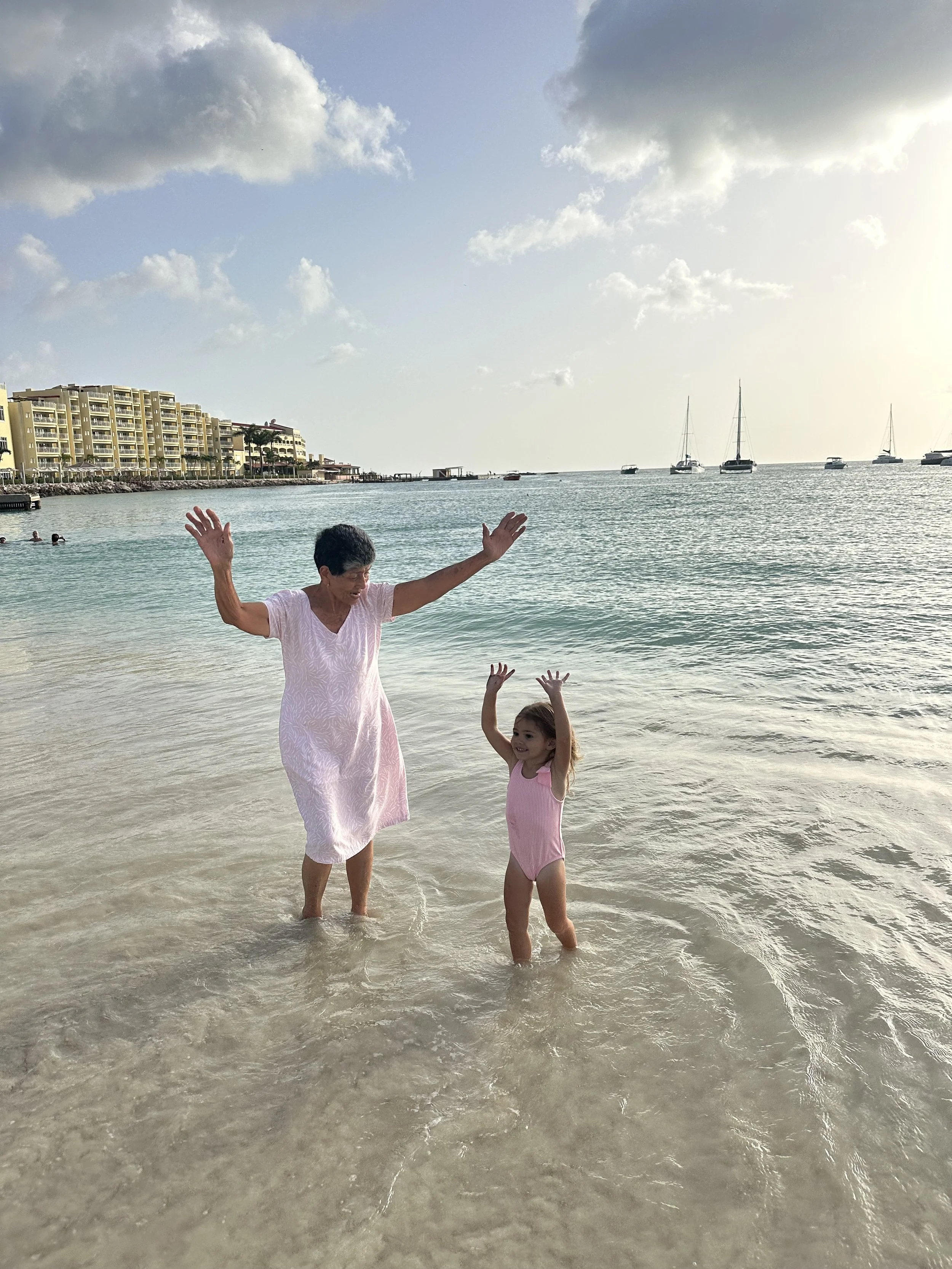
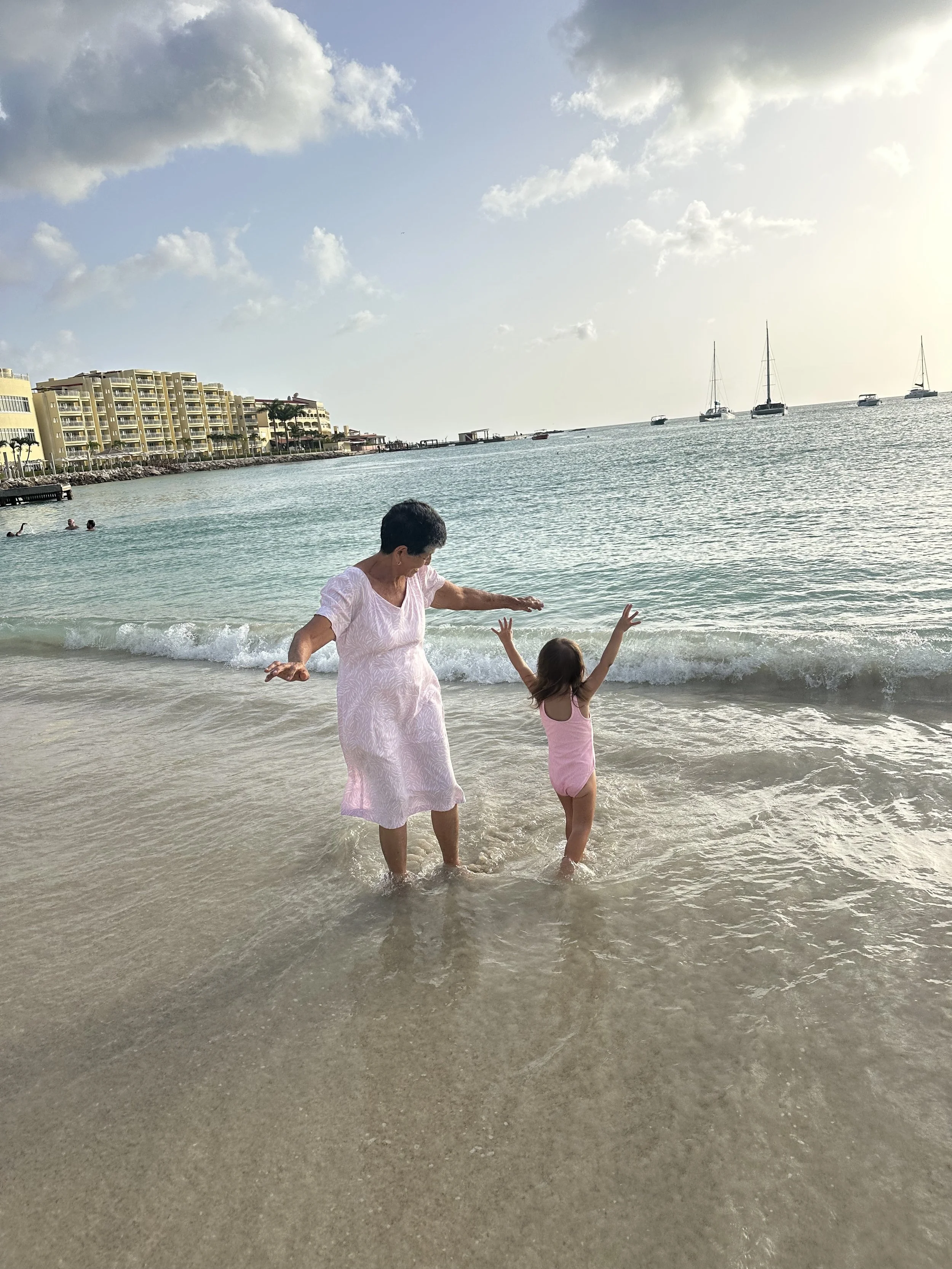
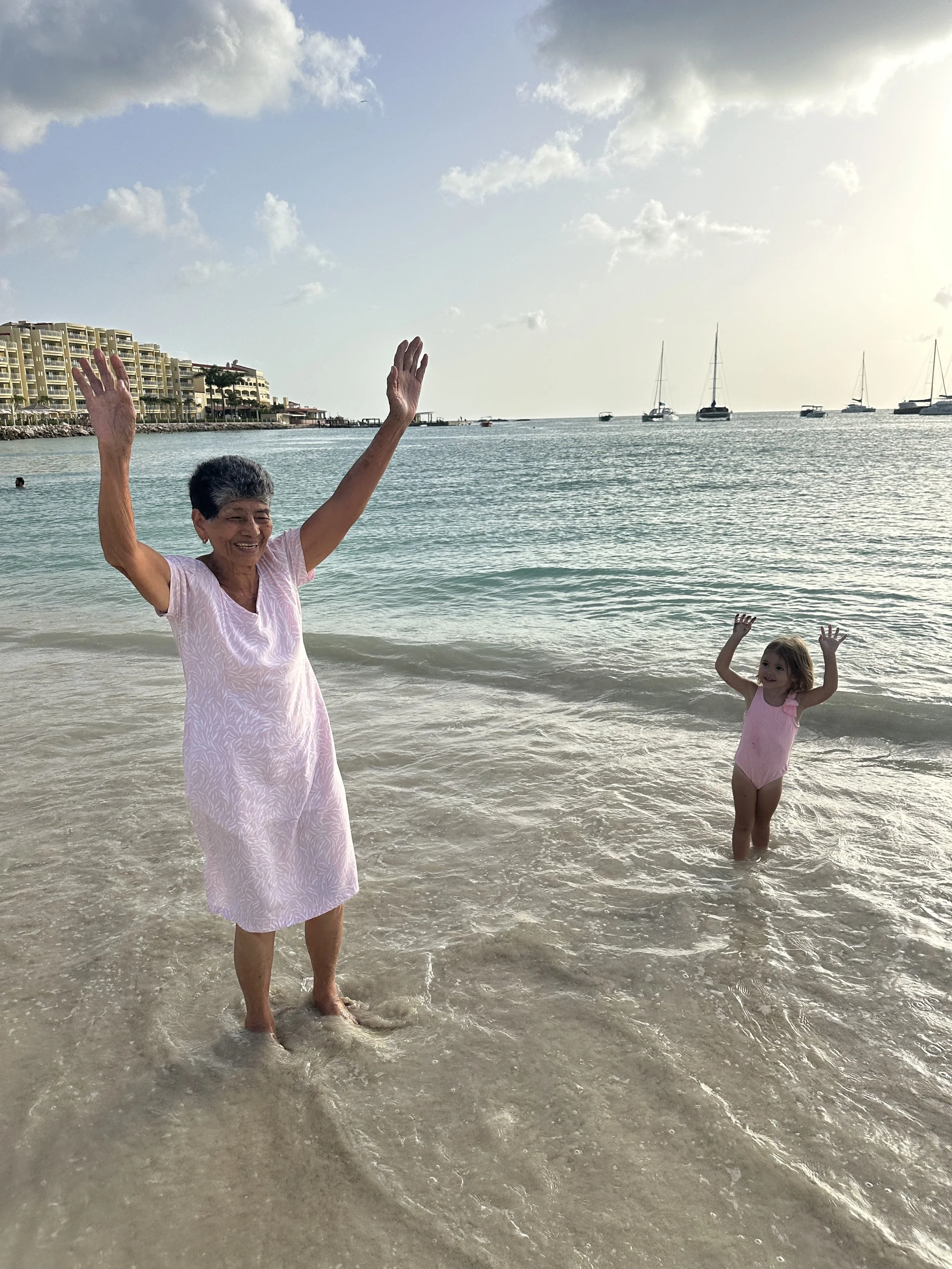
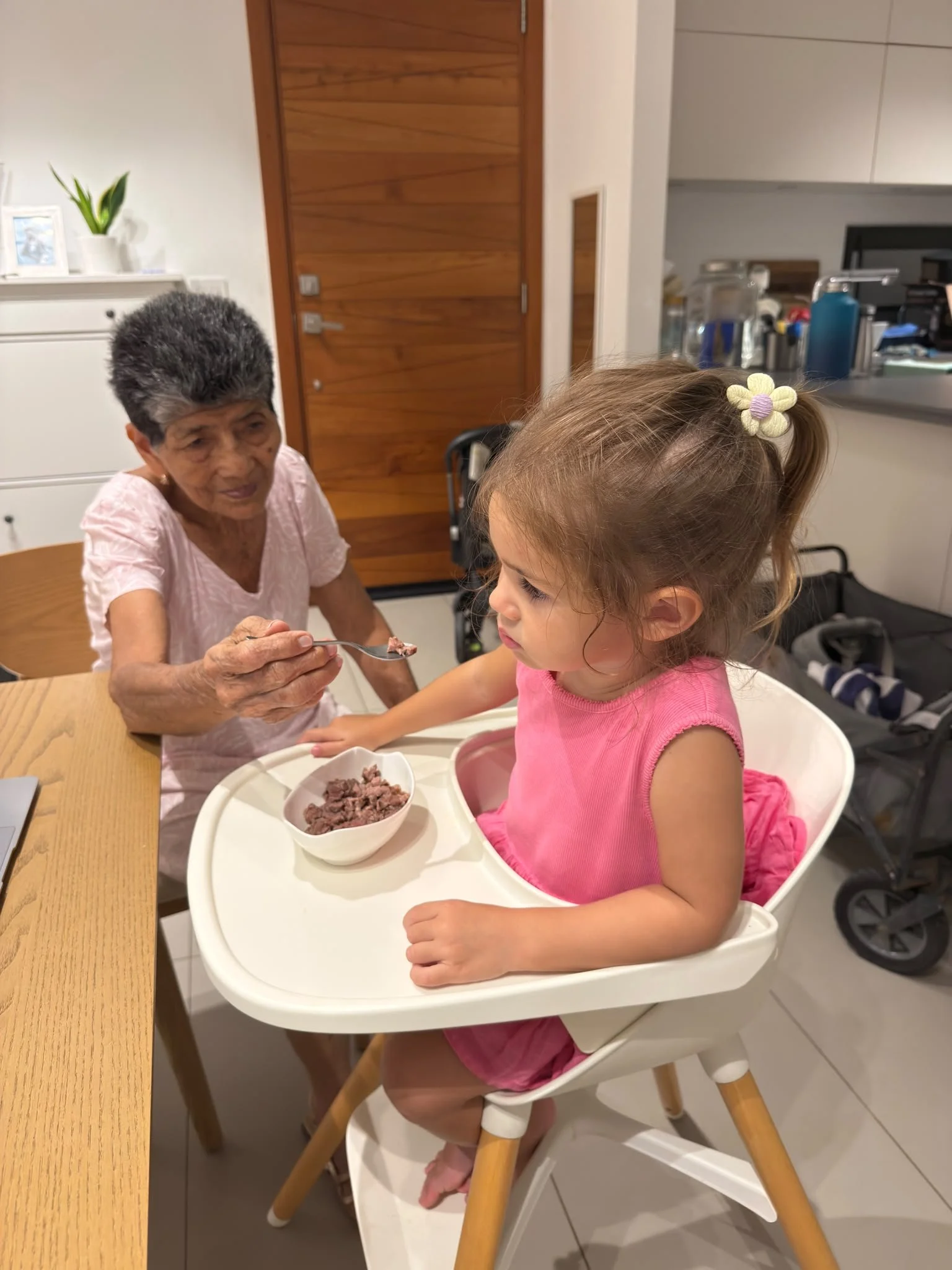
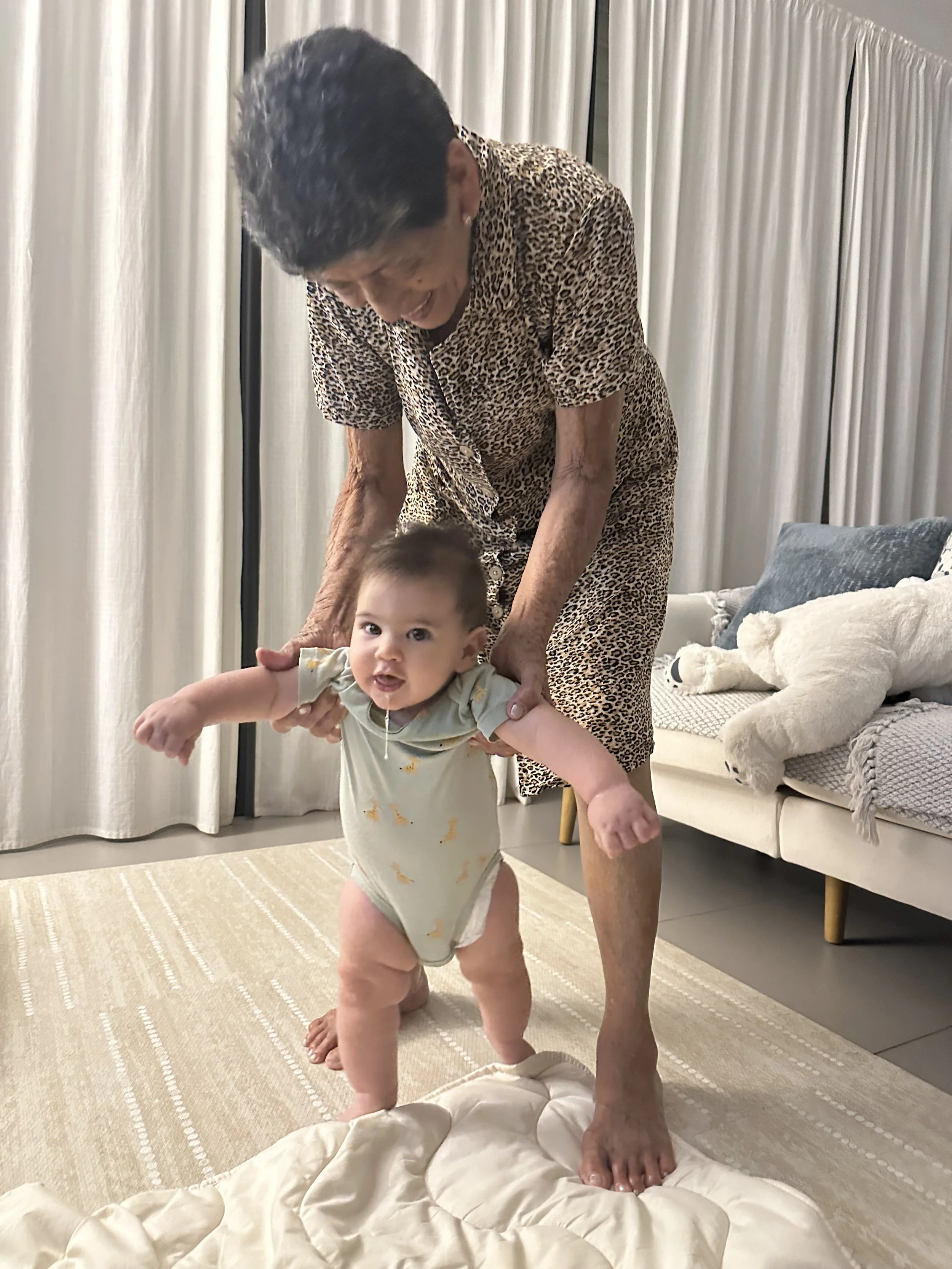
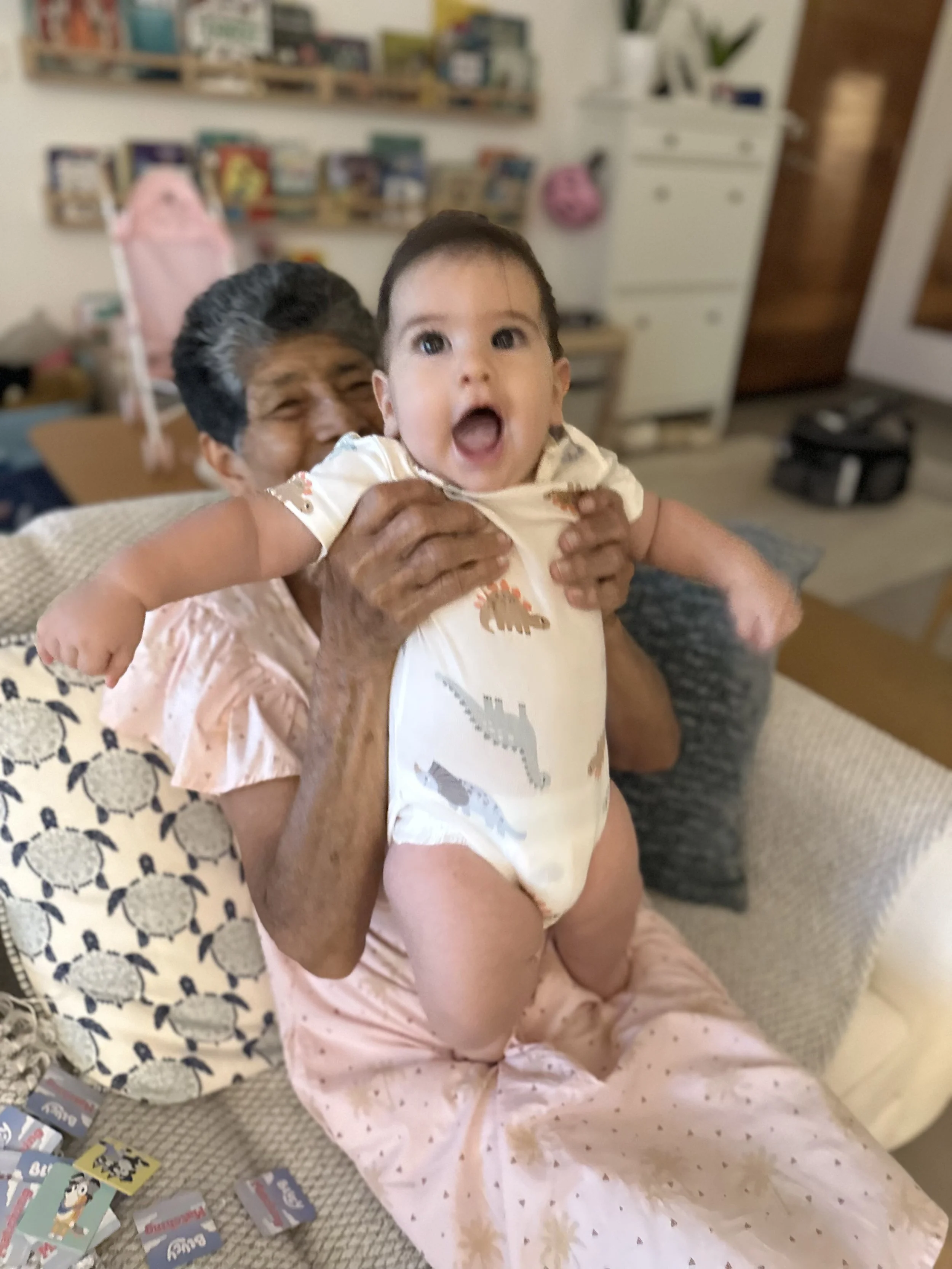
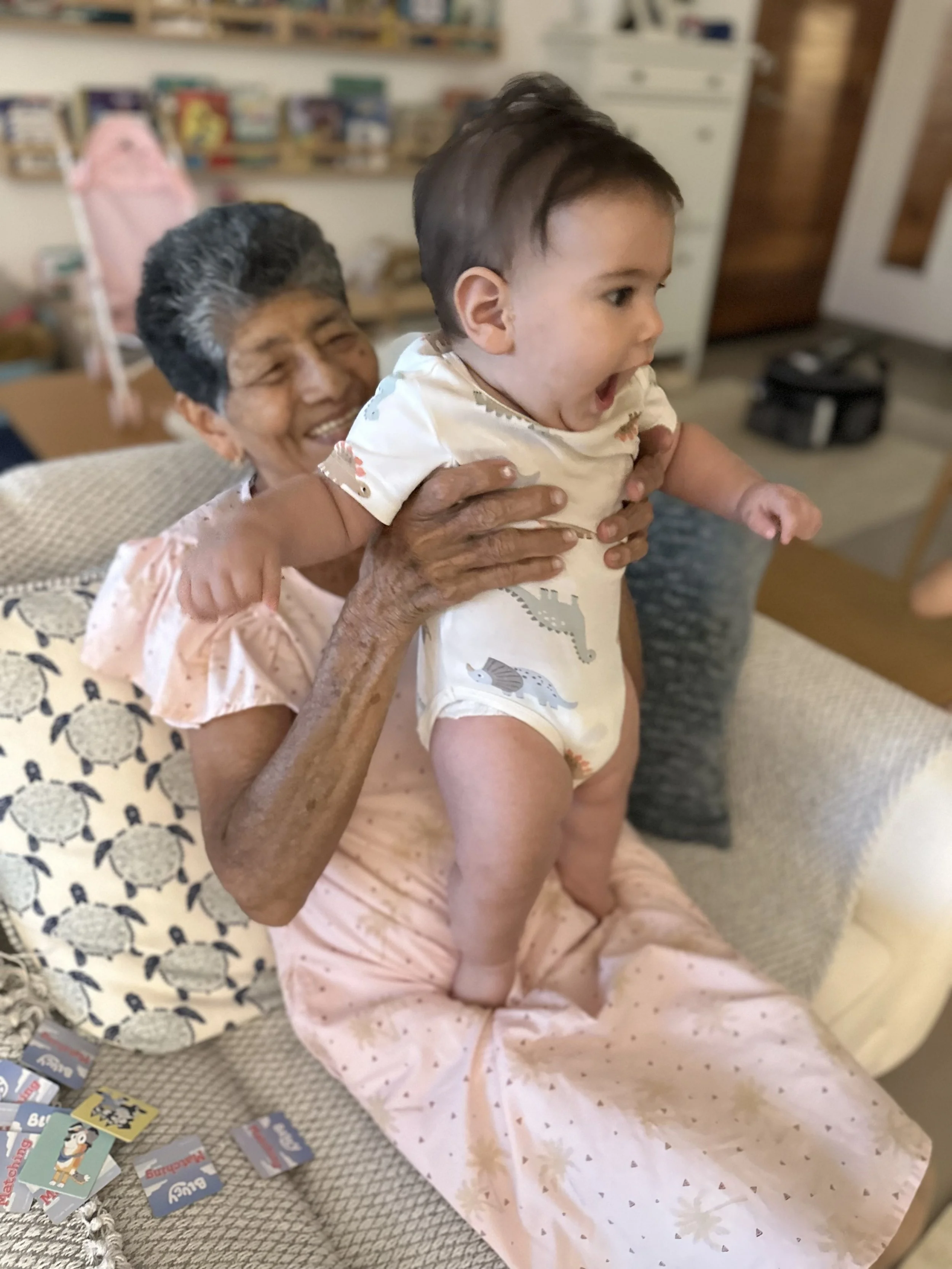
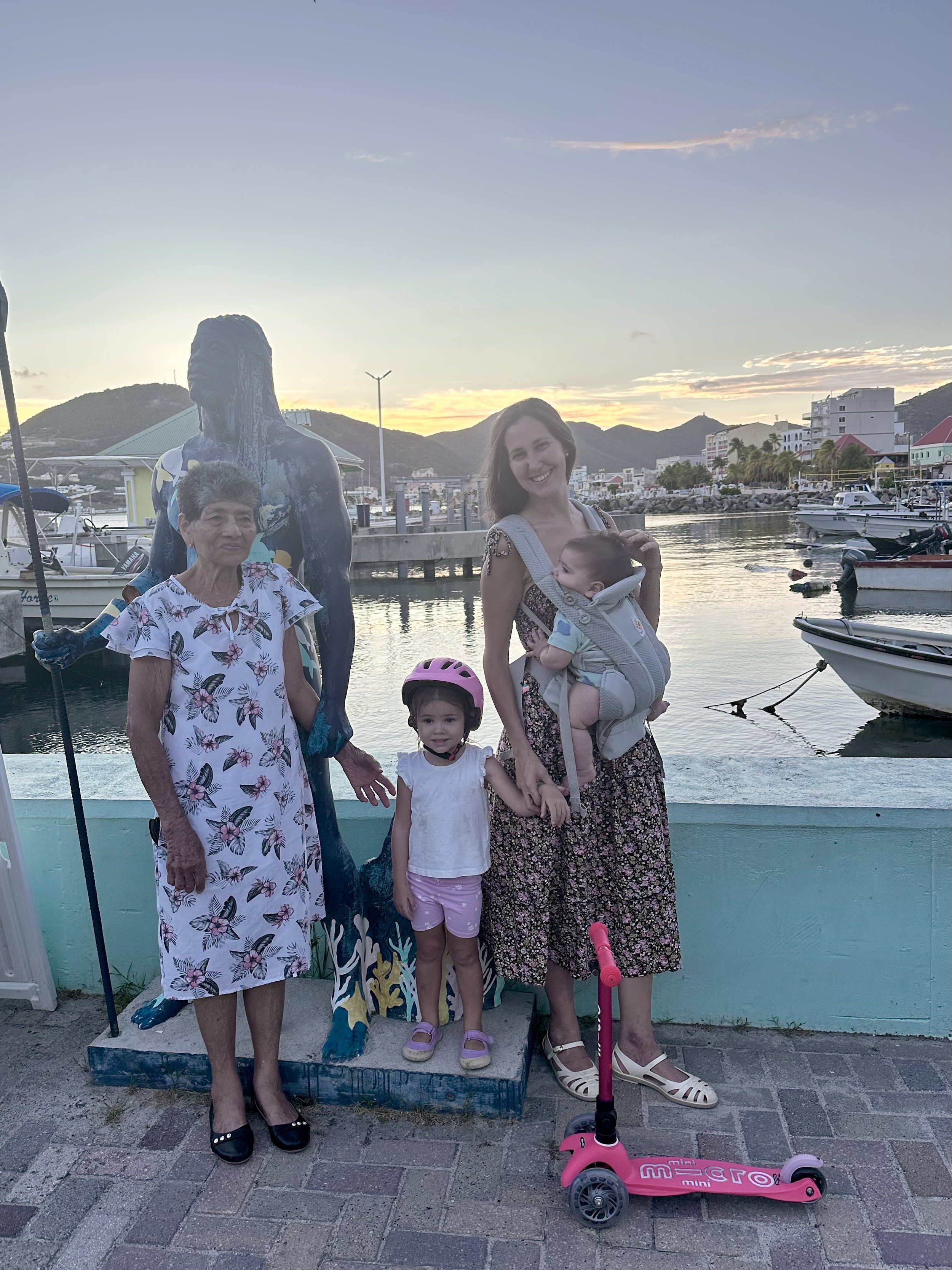
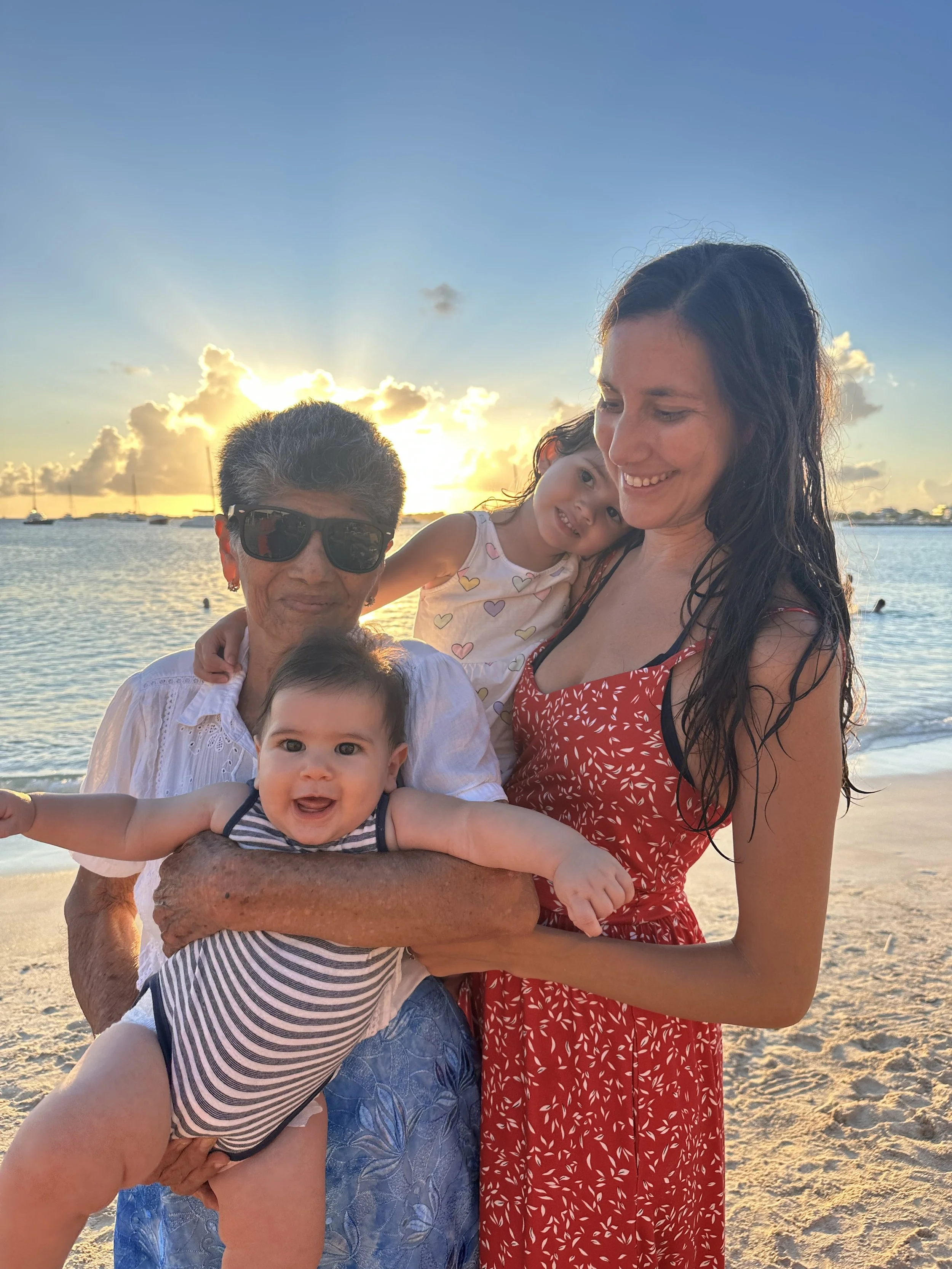
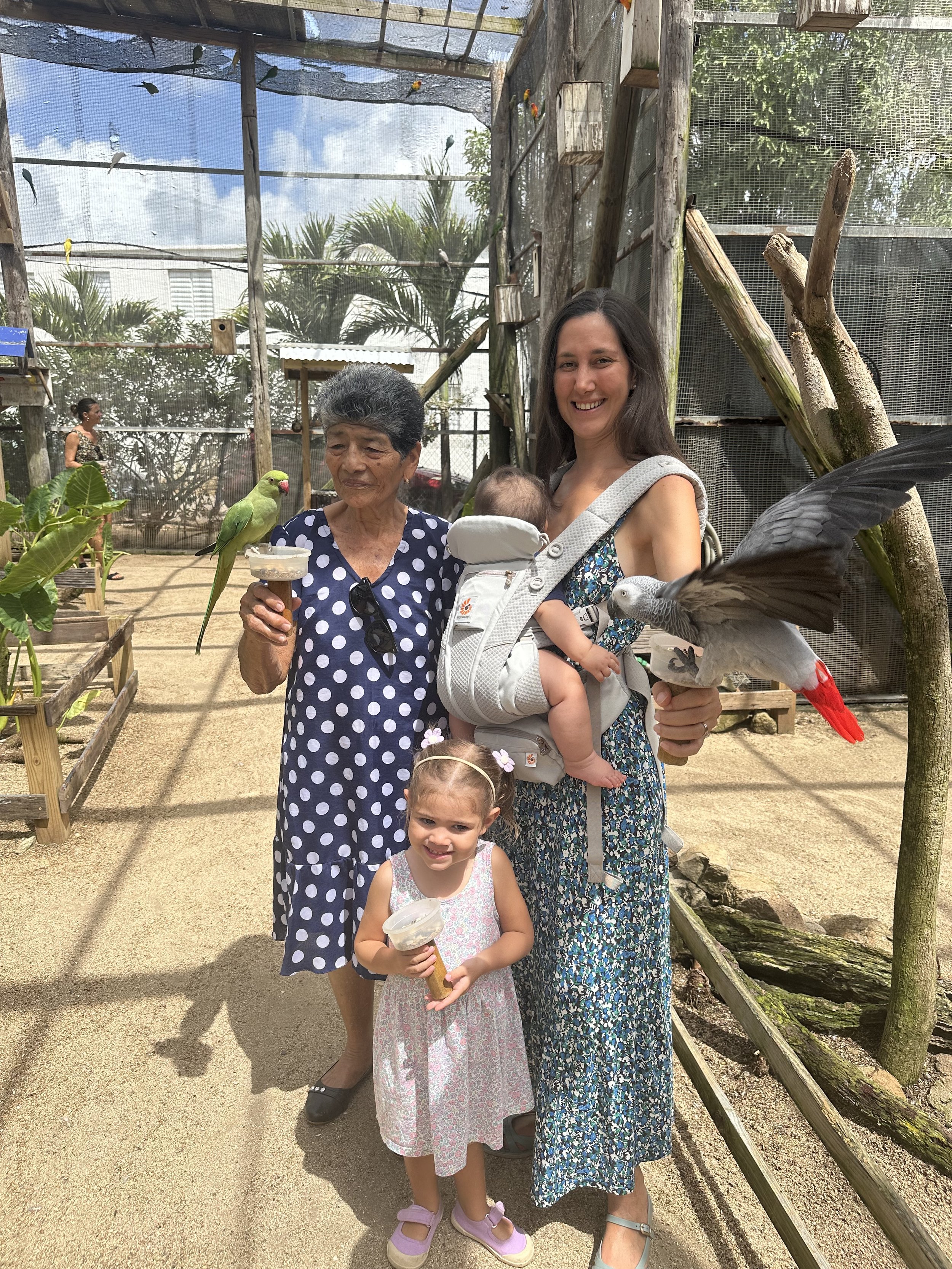
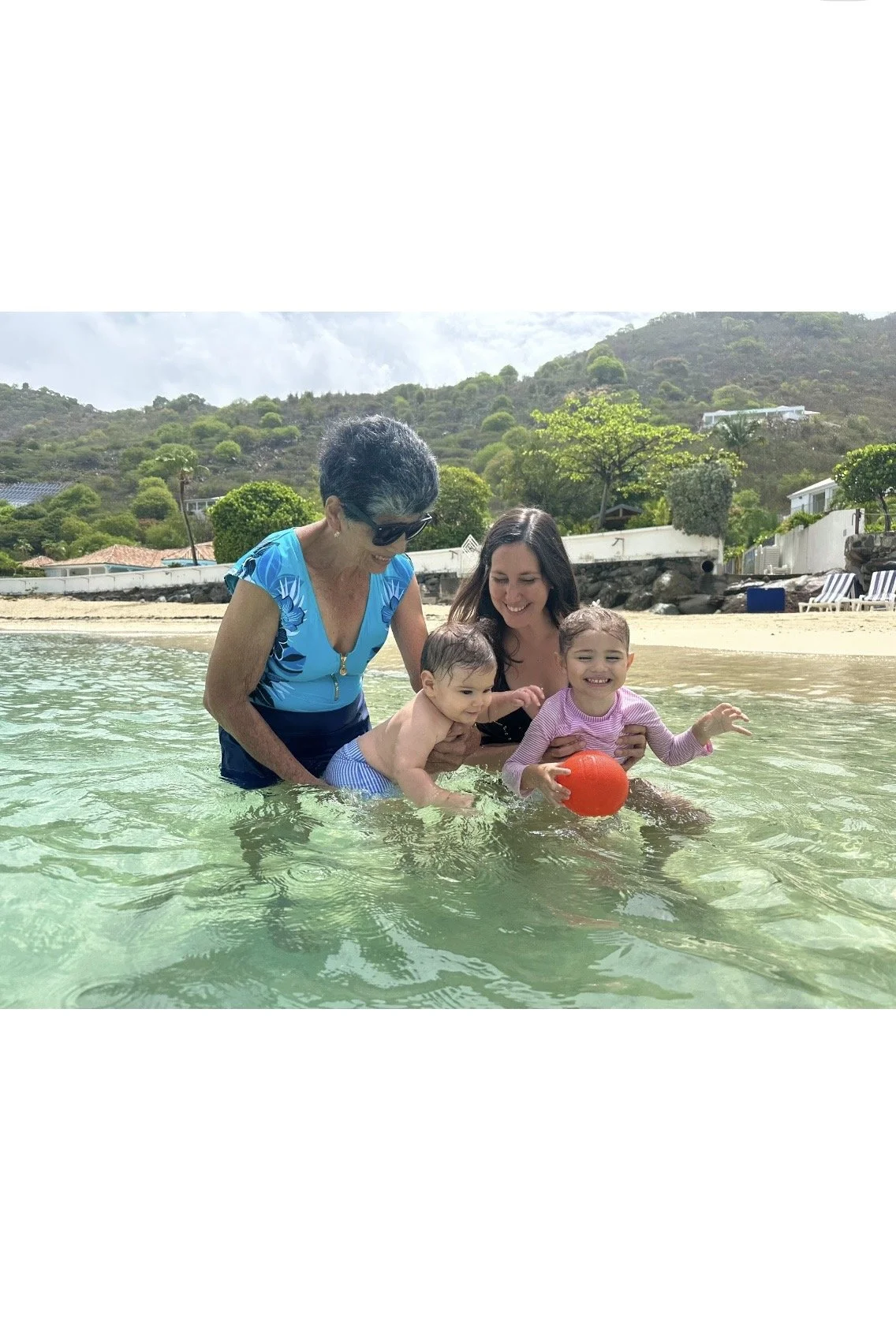
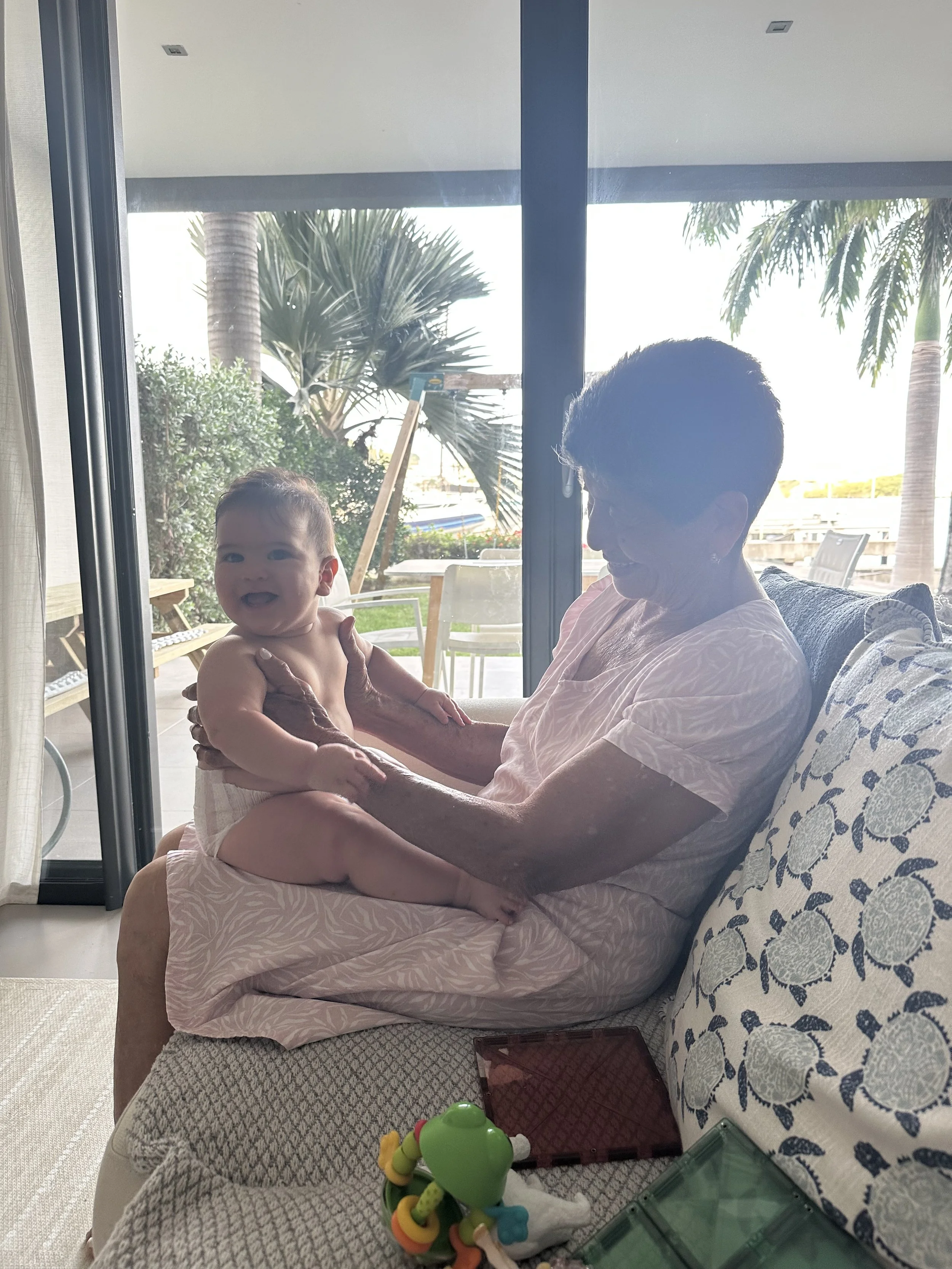
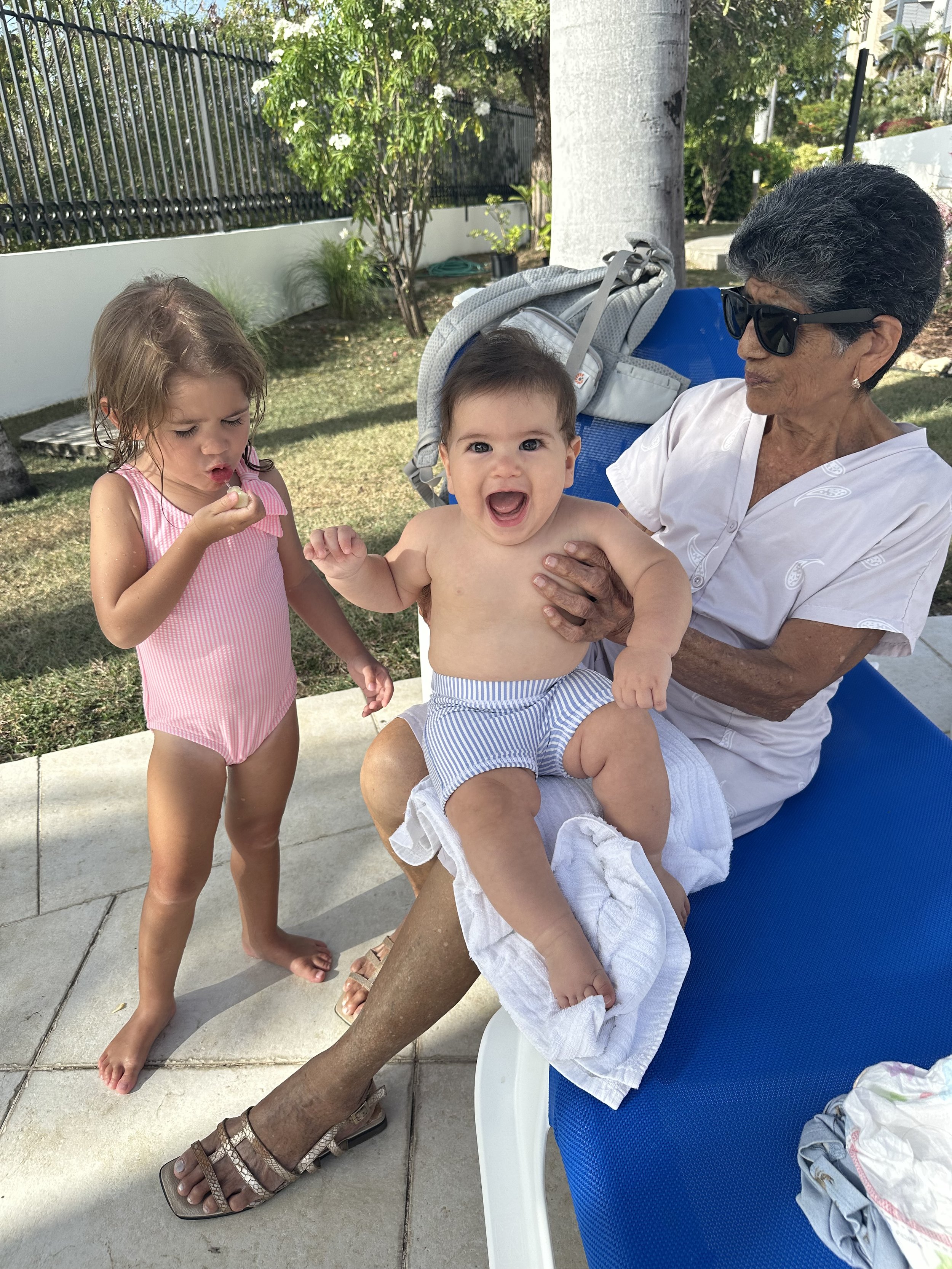
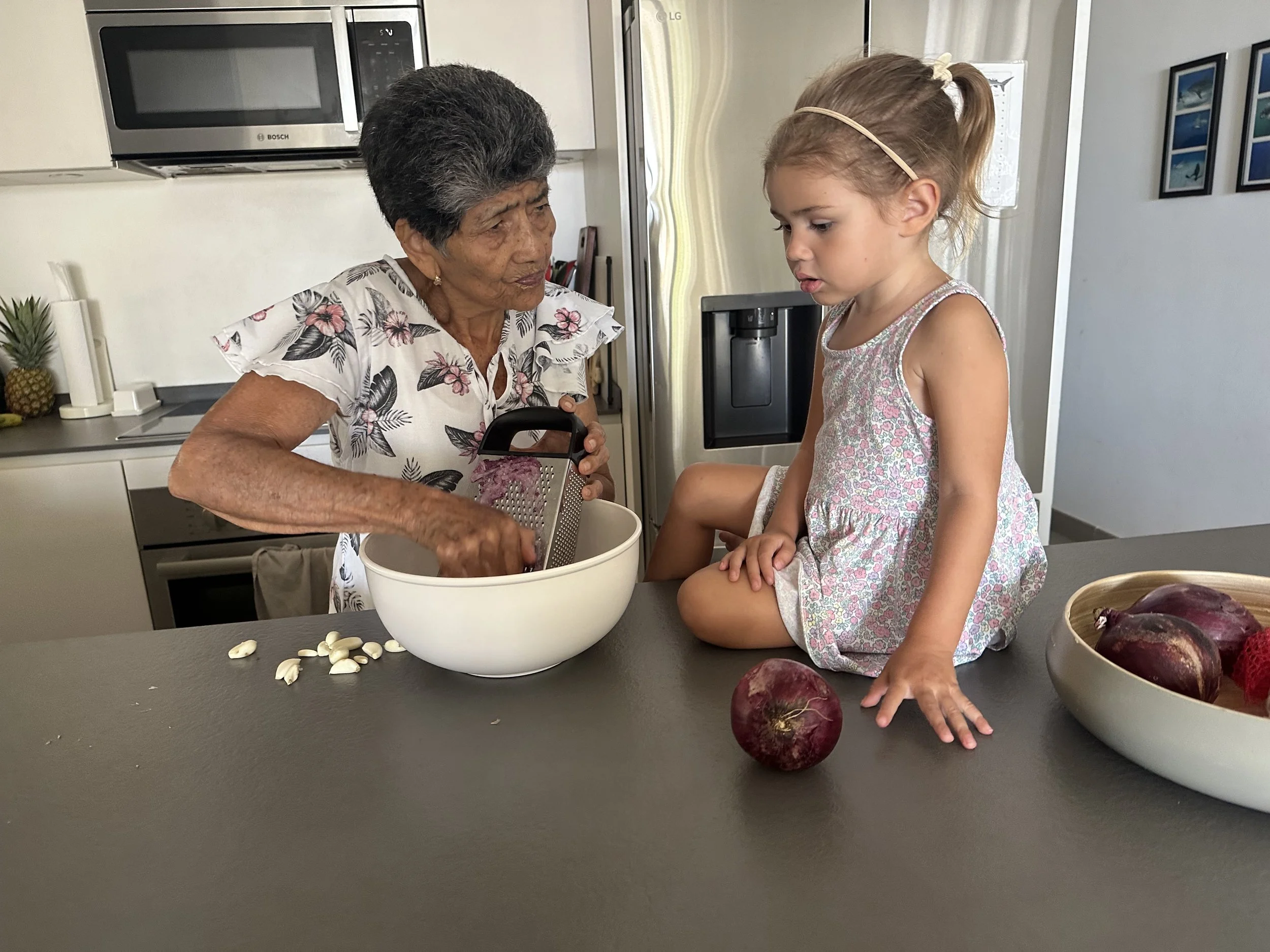
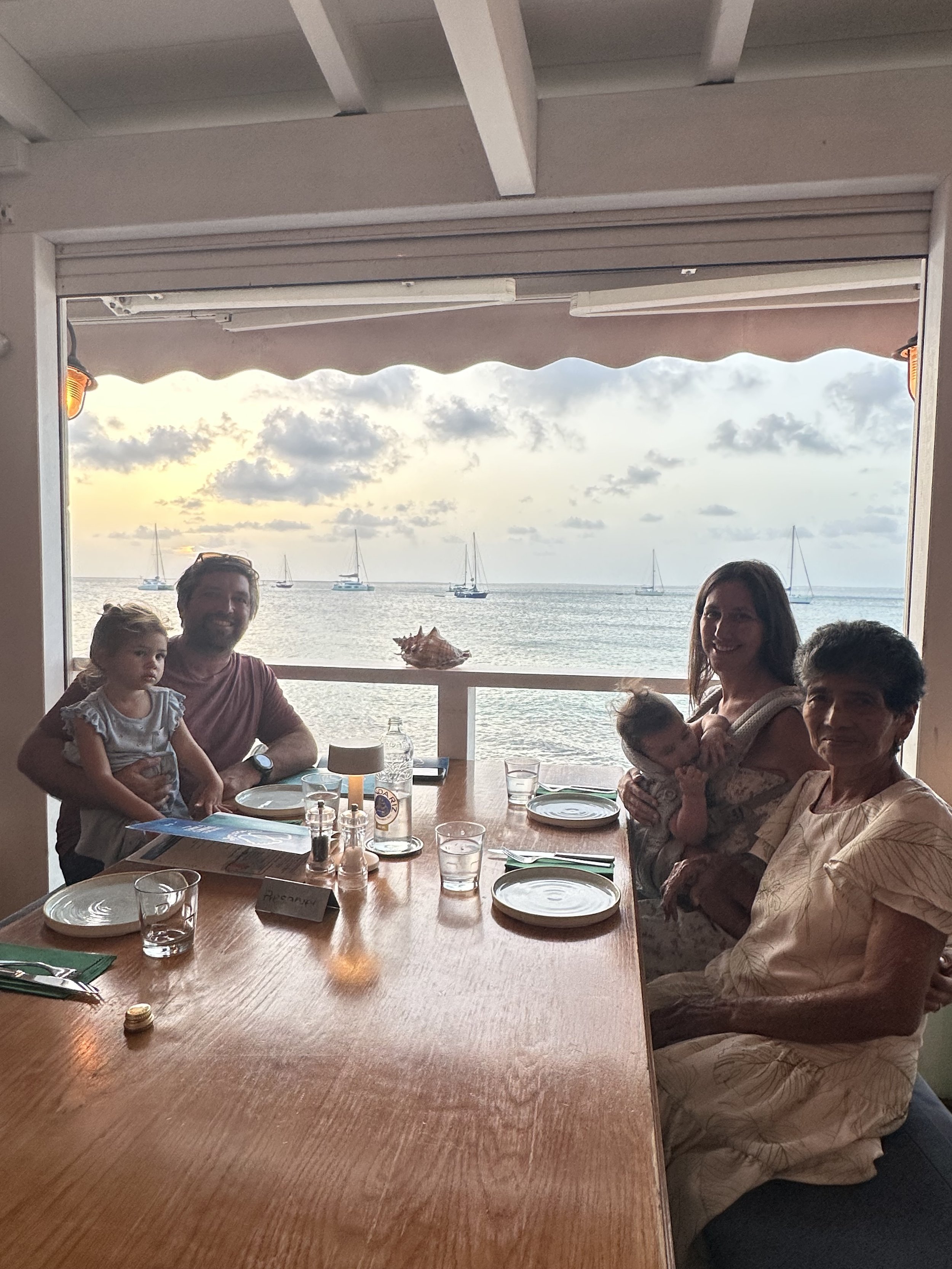
Having her come to stay with me and my own children was something very special. There was something almost surreal about watching her with Sofia and Leo. I remembered being a little girl with Ana, and now I was watching her laugh, play, and care for my own children. It felt like a beautiful circle closing.
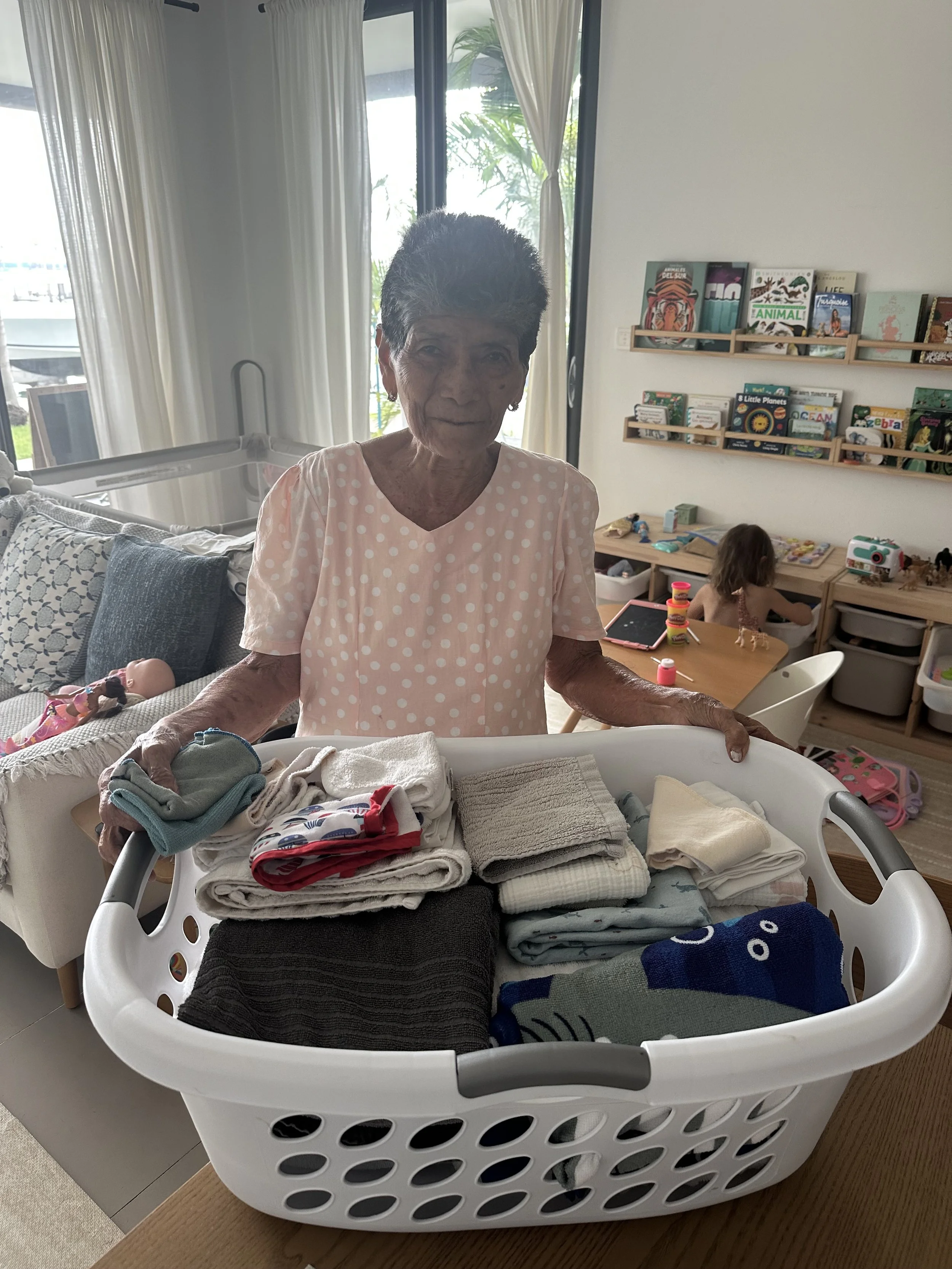
She had to take three flights to come from her hometown in Colombia and had to stay the night in the Dominican Republic. She had to unfortunately wake up at 3 a.m. to take her last flight to St Maarten and she finally arrived at 9 a.m. to my place. I assumed she was going to spend the day resting to recover from her long trip but instead, she arrived, met the kids, had breakfast, and started folding clothes! She saw a basket full of clean clothes ready to be folded, and without a second guess, she started folding them. I was like, “Ana, what are you doing?” and she laughed and continued folding. Of course I stopped her that time, but after a few days I realized it was an impossible mission to stop her from doing what she wanted.
What surprised me most wasn't simply seeing Ana again. It was seeing how incredibly mentally and physically strong she still is.
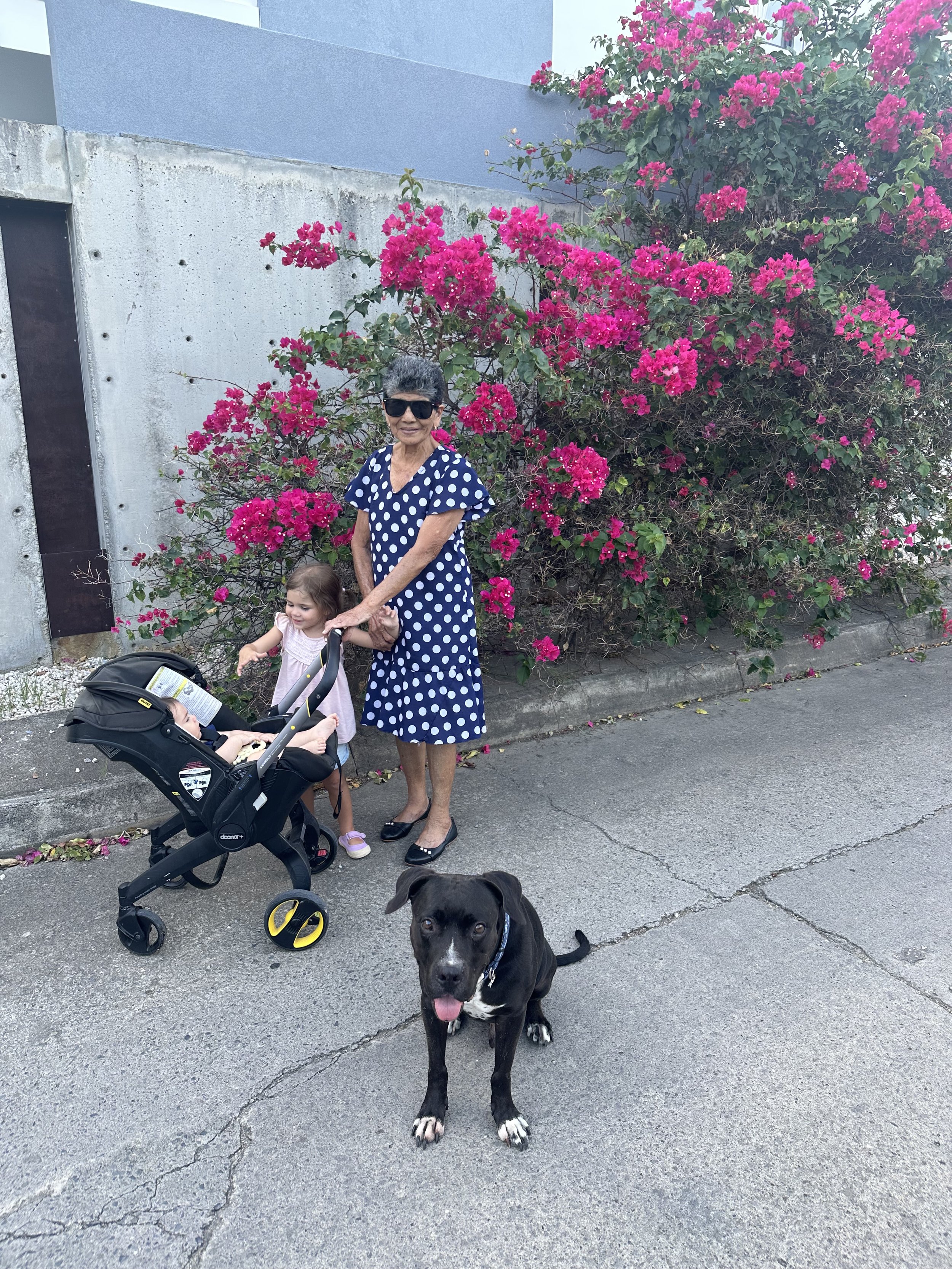
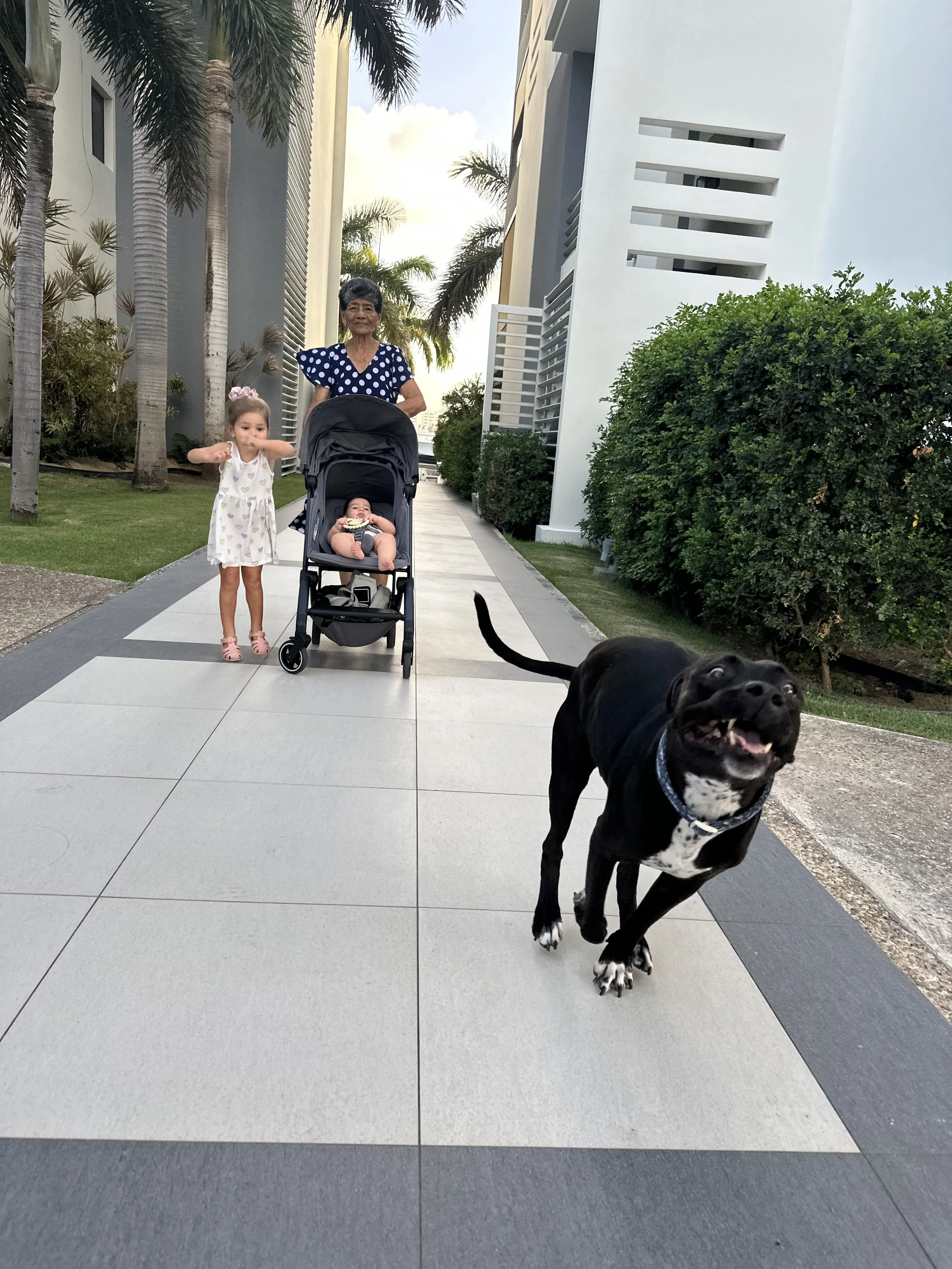
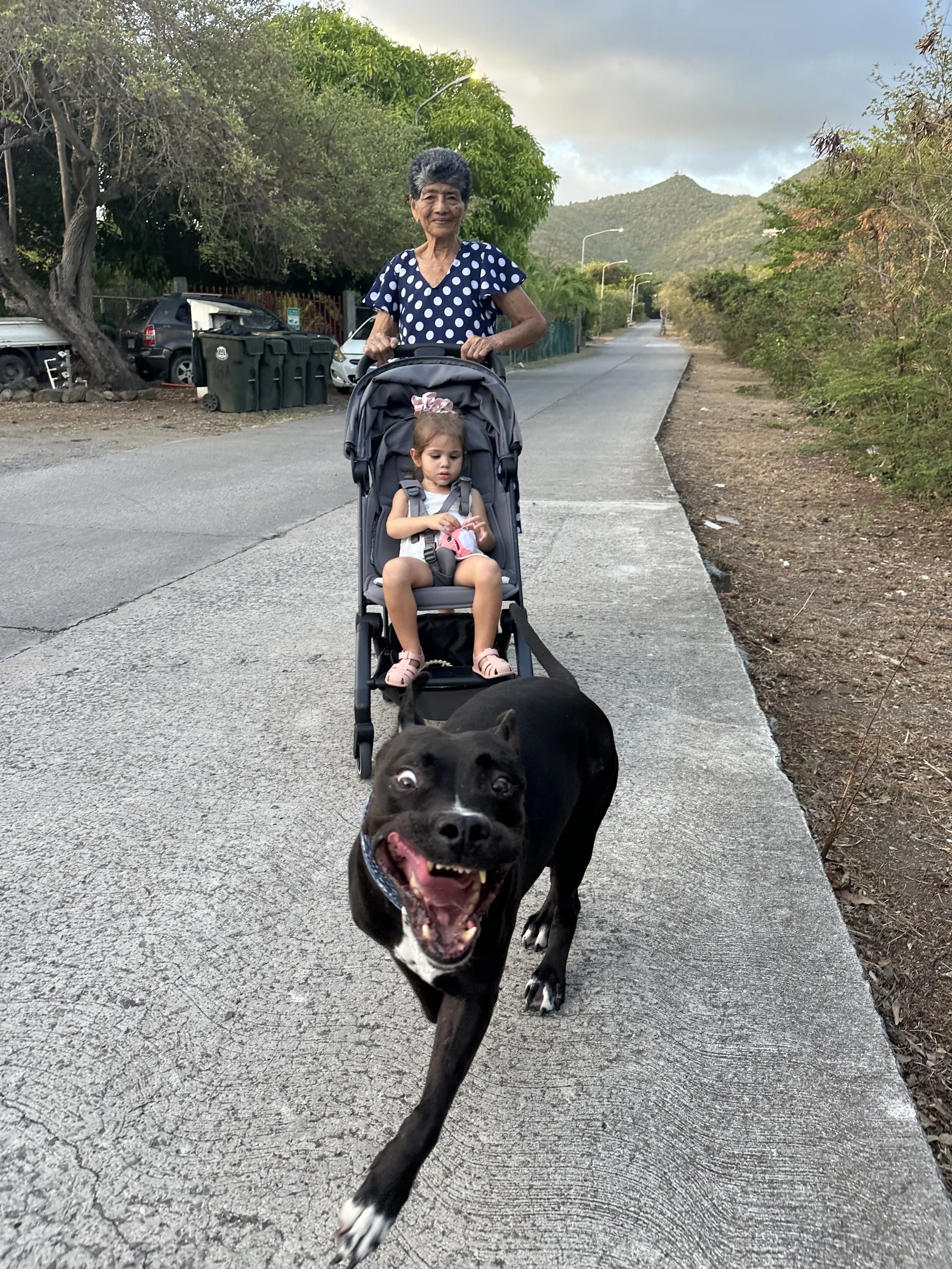
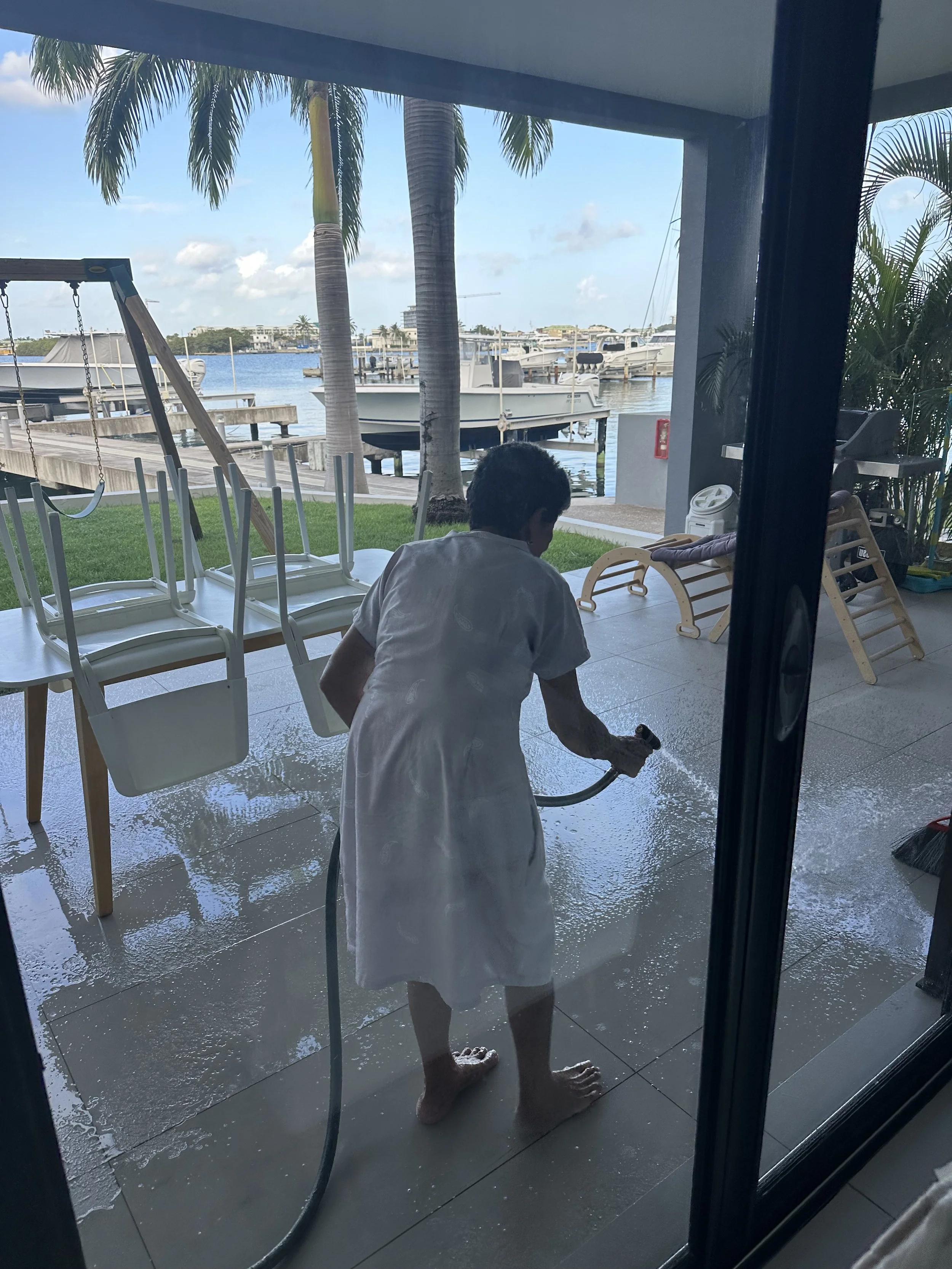
Every morning, I would wake up expecting to find her asleep, only to discover that she was always already awake. At six in the morning, she would happily come with me to walk Blacky. She never complained about being tired and never seemed to need to recover from the day. Somehow, she was always doing something: washing dishes, folding laundry, cleaning the terrace, playing with the children, taking them outside, or helping me around the house.
I would tell her, “Ana, please sit down. You came here to rest!” She would laugh, and a few minutes later she would be up doing something else.
Strong Social Connections and Female Friendships
Ana lives in Cereté, near Montería, Colombia. She has five children, ten grandchildren, four great-grandchildren, and is the oldest of ten siblings. She still lives in the large colonial family home that belonged to her father, together with several of her sisters.
That detail has stayed with me. At 82, Ana is never alone. There are always people around: someone to talk to, someone to laugh with, someone to share a meal with, someone who needs help, or someone she can help. Her life has always been deeply embedded in family and community.
When I look around, I see how modern life can be incredibly isolating. We have separated generations, moved families far away from one another, replaced extended families with smaller households, and increasingly spend our days behind screens. Ana's life is almost the opposite.
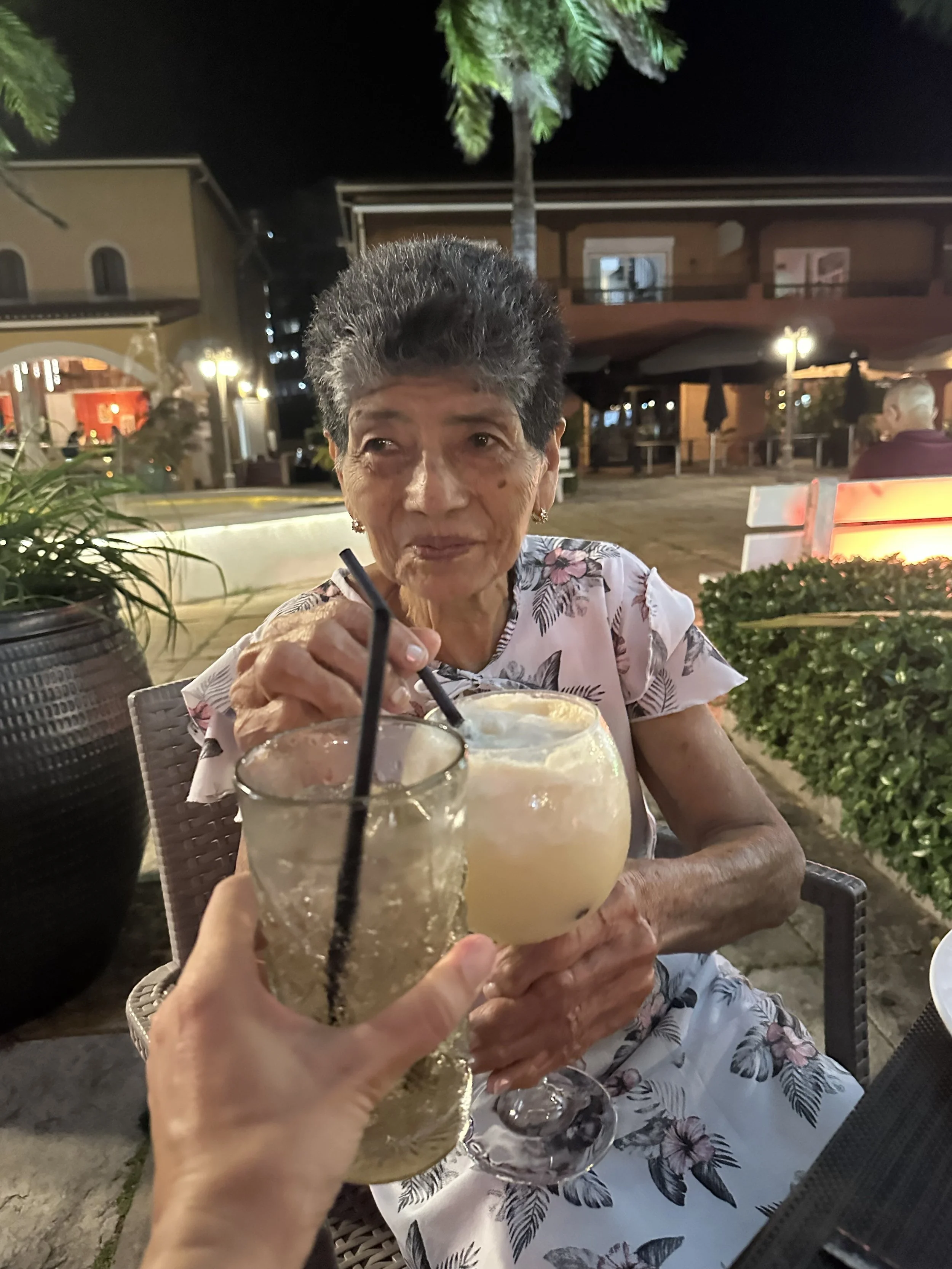
I also noticed how much she talks with other women. She made friends everywhere she went: from neighbors to people in the street. There is something about female companionship that I think deserves more attention. Women have traditionally spent enormous amounts of time together: raising children, preparing food, working, visiting one another, and simply talking. And there may be more to this than culture or habit. Research on the “tend-and-befriend” response suggests that women may be biologically inclined to seek connection and support, particularly during times of stress. Social contact can help regulate the body's stress response, and hormones and neurochemical systems involved in bonding, including oxytocin, appear to play a role. In other words, perhaps all that talking, laughing, sharing stories, and helping one another is not just pleasant; it may actually be part of how women regulate stress and stay well. Sometimes you just need another woman sitting beside you, someone who understands, someone you can laugh with, someone who knows your family history, someone who has known you for decades.
Ana has that. Perhaps that, too, is a form of nourishment to the body.
A Life of Caring for Others
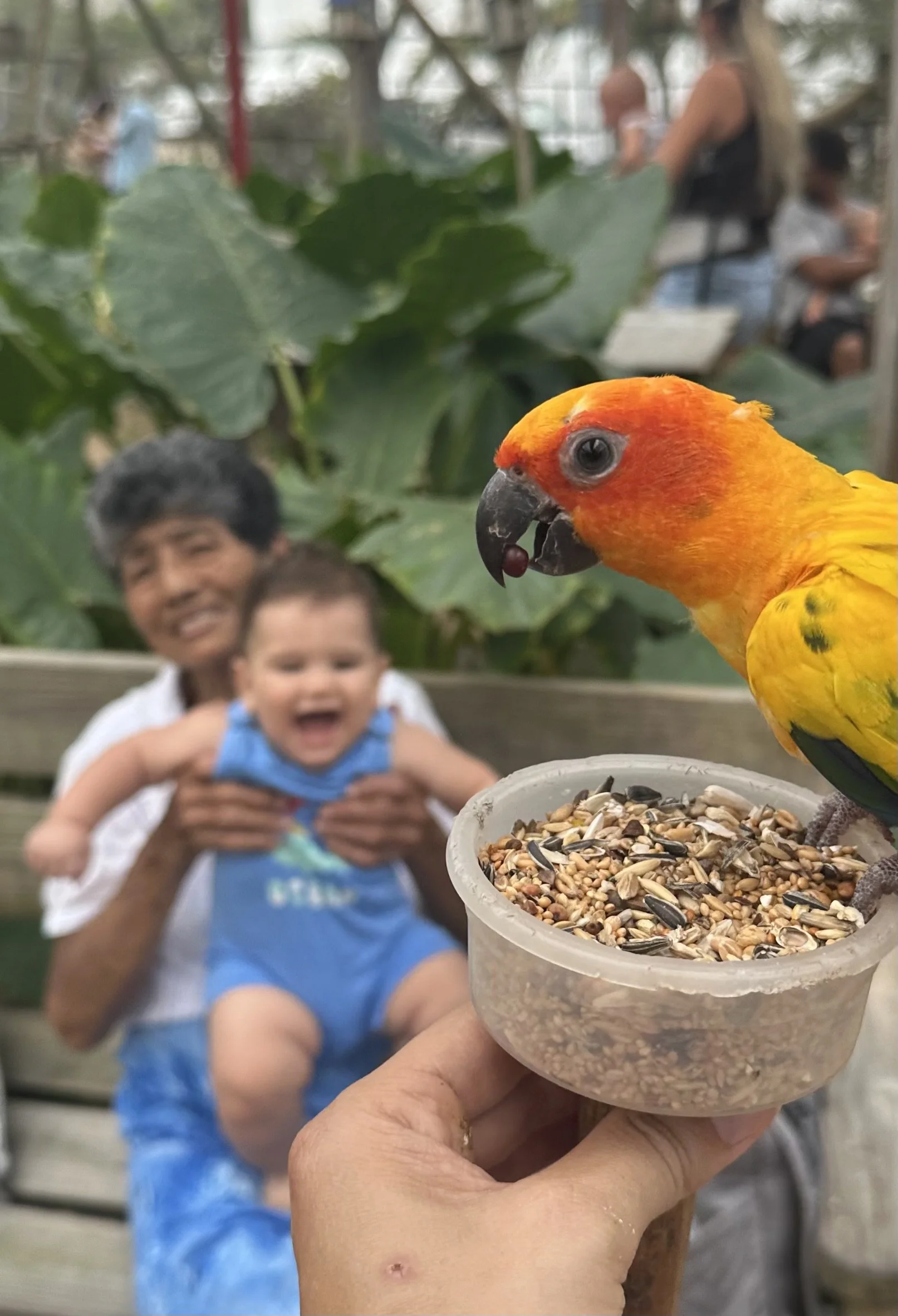
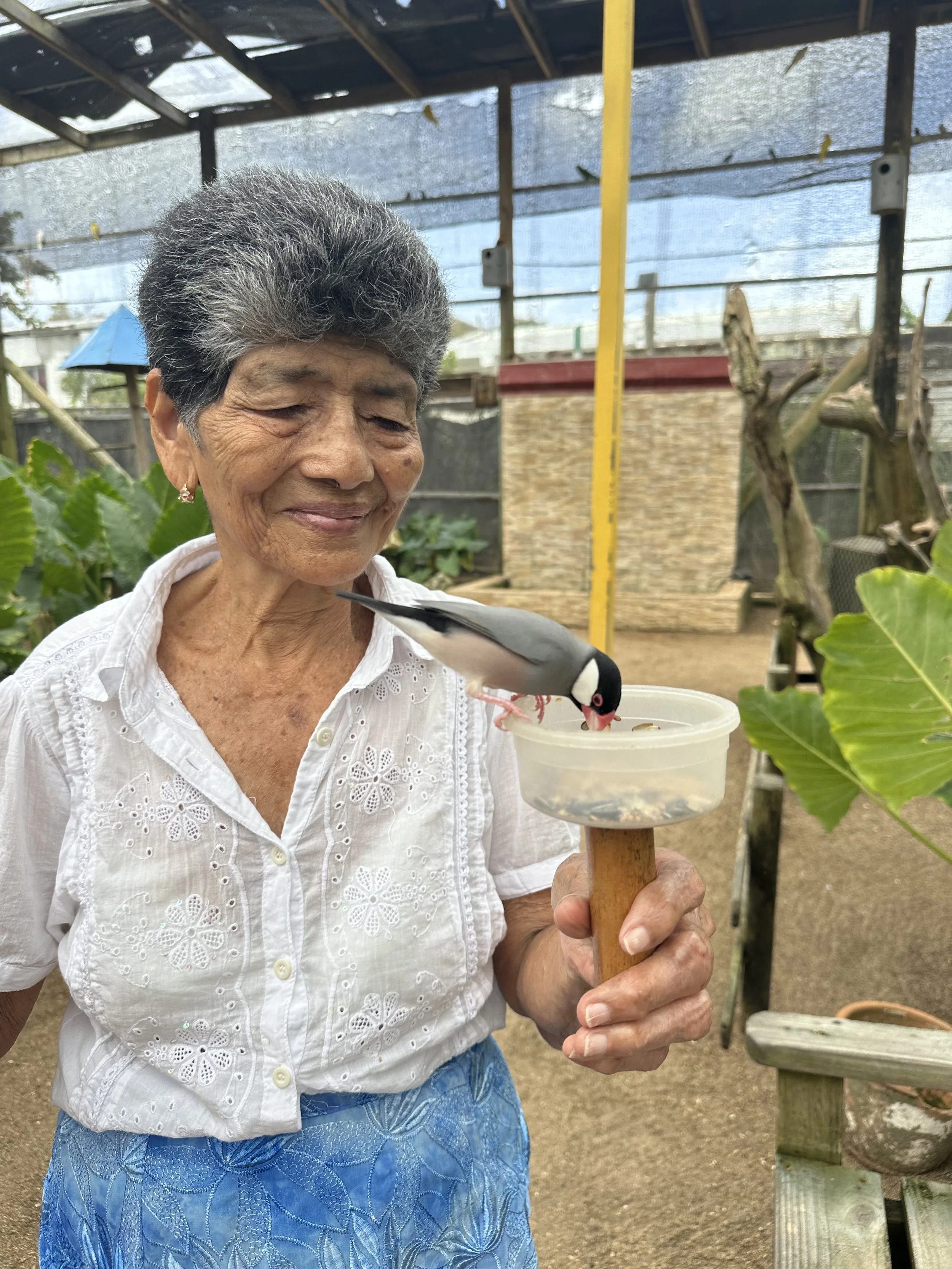
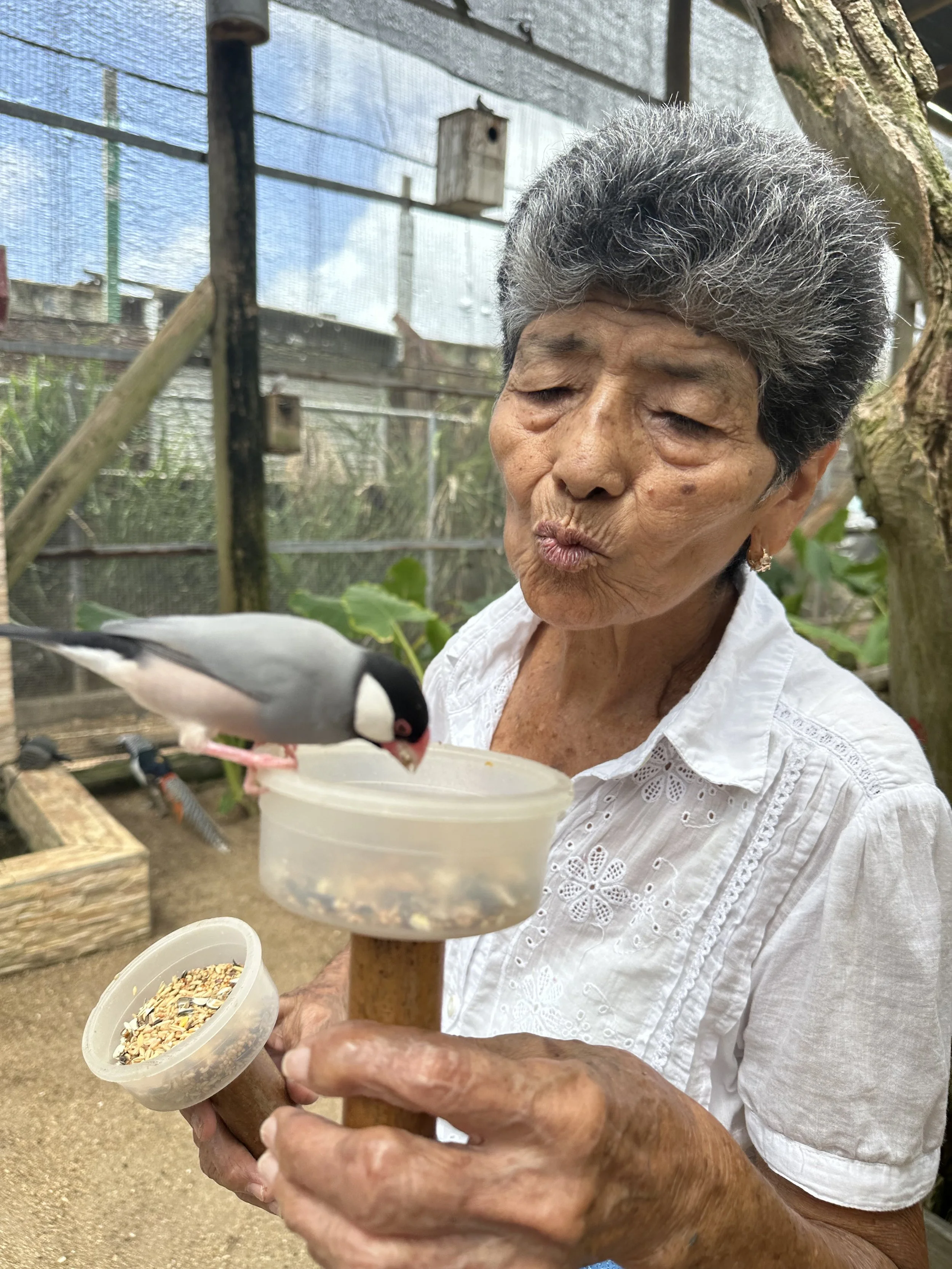
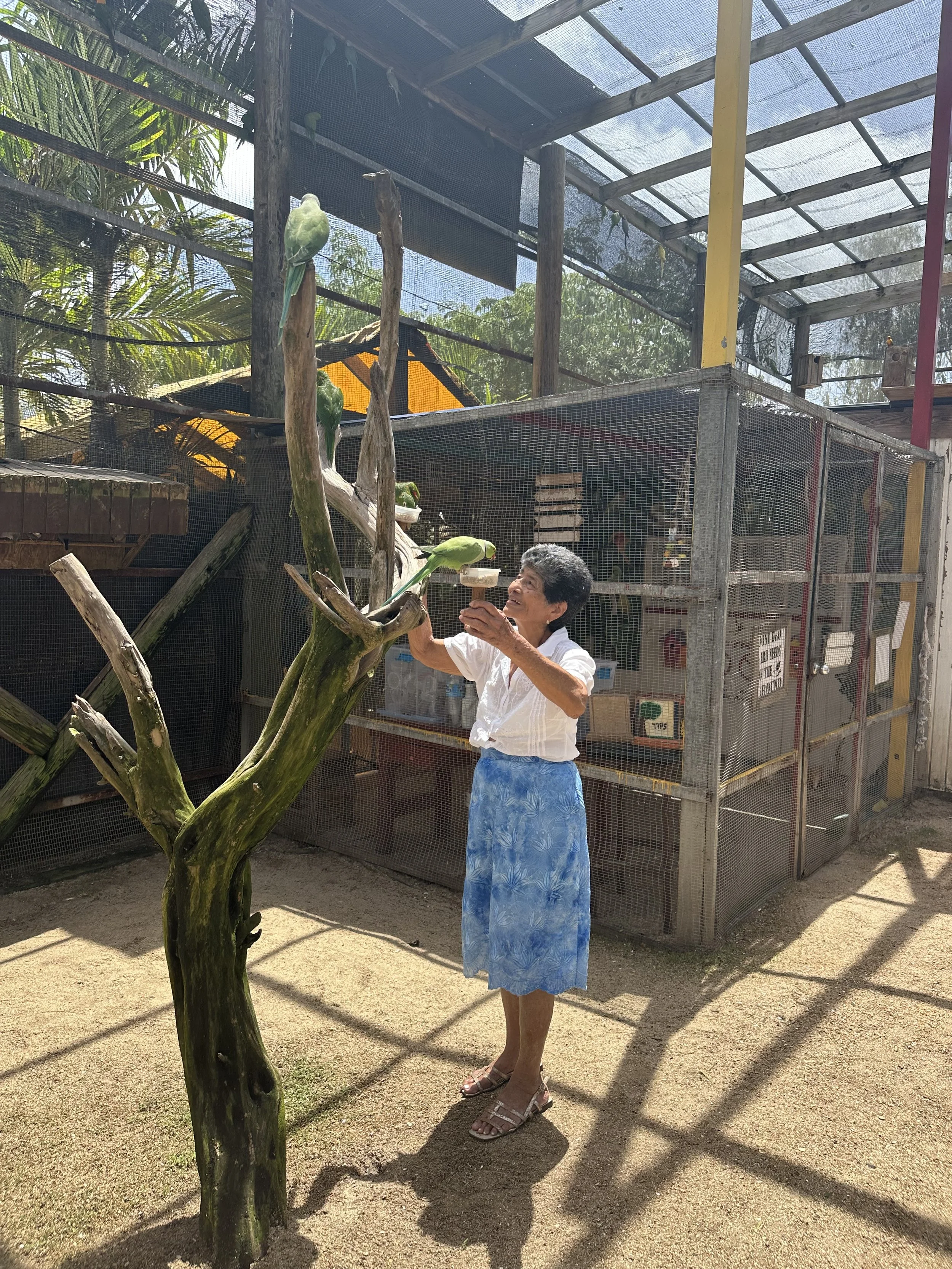
One thing I noticed during her stay was how naturally Ana puts other people's needs before her own. She was constantly thinking about someone else: “Did you drink coffee already?”, “What is Dan going to eat?”, “I am going to give something to drink to the gardener! He seems hot!” She wanted to make sure everyone was ok at all times. This includes animals too, of course :) Ana has a huge heart, and she was always trying to feed every animal she encountered. With the children, this instinct was even stronger. I think caring for others gives her a deep sense of purpose. Perhaps that, too, is part of healthy aging: feeling needed, having people and living things to care for, and waking up each day with someone else's wellbeing on your mind.
Ana likes Real Food
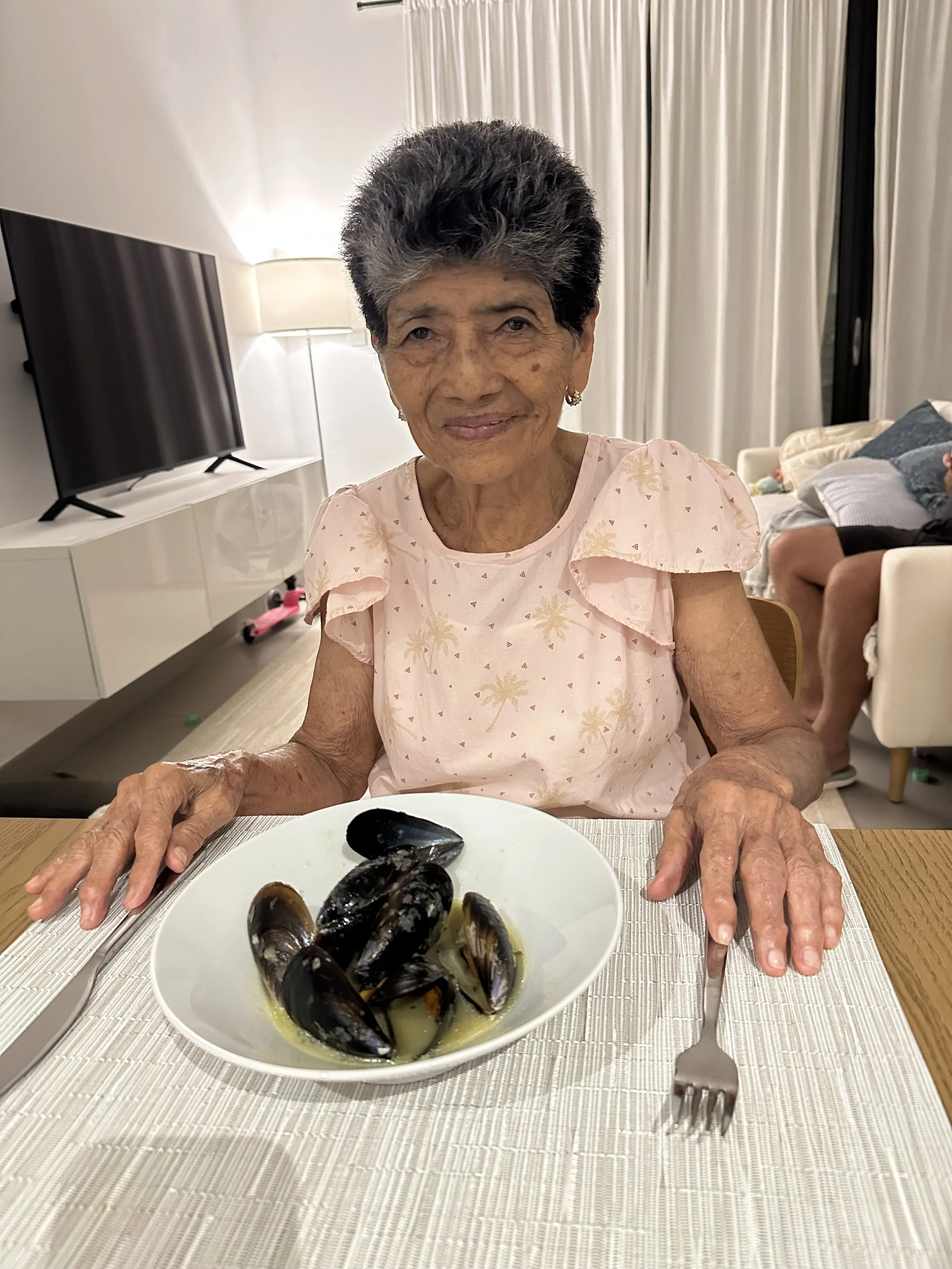
When Ana was growing up, she told me her father bought a cow for each of his children. They drank the milk from their own cows, fresh from the animal.
Her diet has remained remarkably simple: She eats eggs from local chickens and meat and vegetables from nearby farms. She doesn't eat enormous portions and doesn't seem particularly interested in constantly eating. When she does eat, she tends to give preference to animal protein.
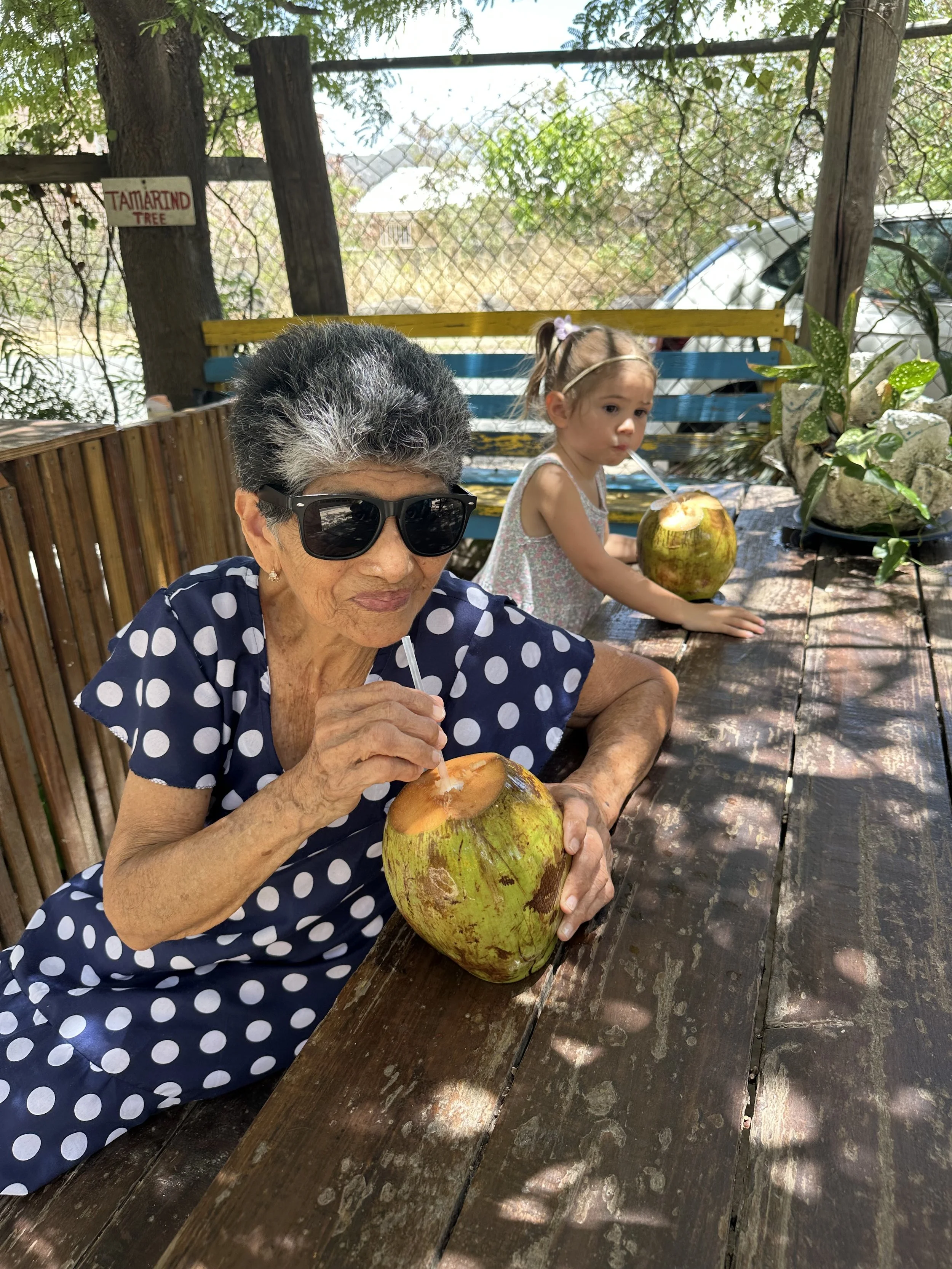
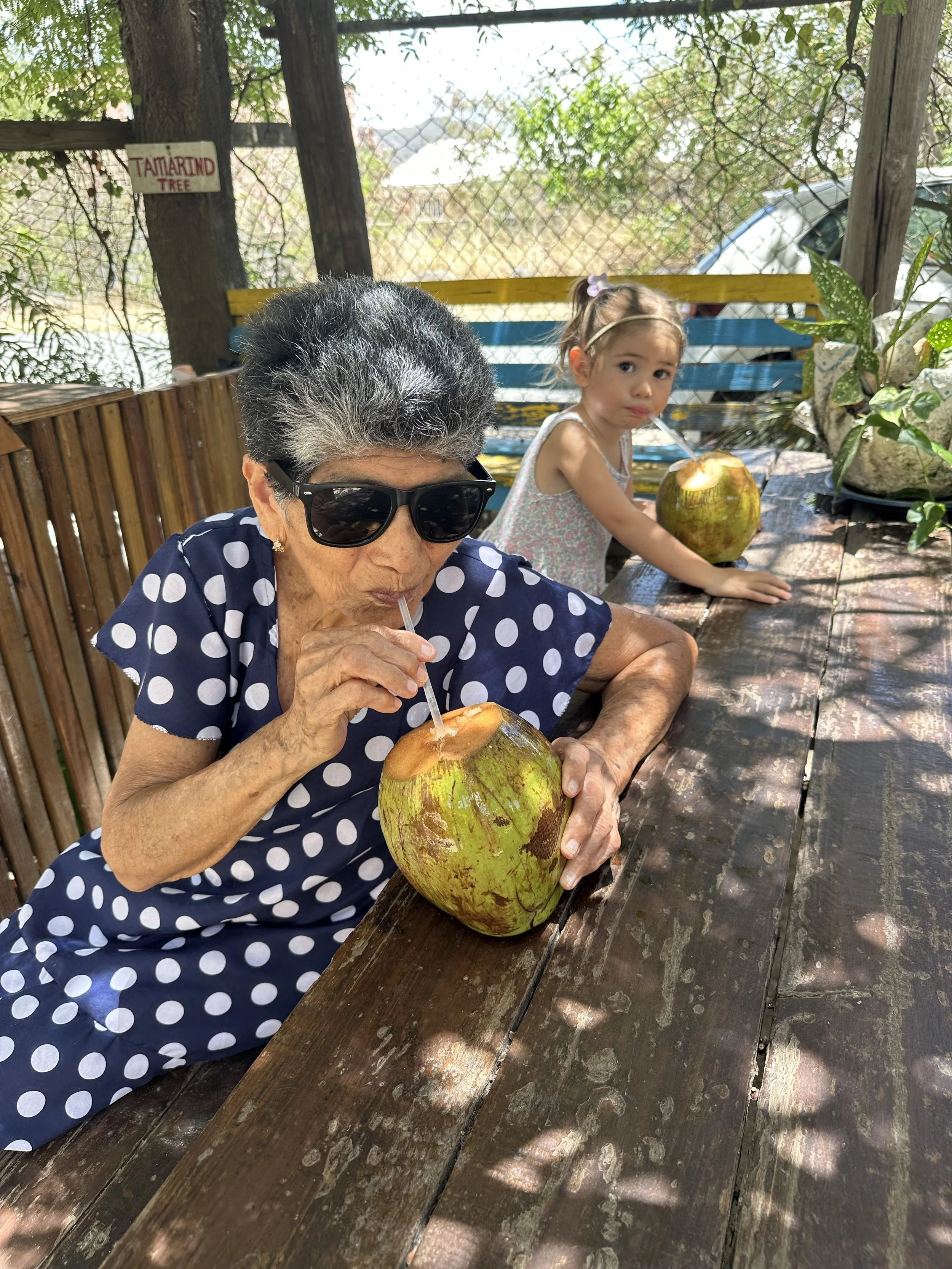
She likes cooking, but she’s not obsessed, and she keeps it simple. There is nothing complicated about it: no snacking, no difficult recipes. She likes to drink a strong Colombian coffee in the morning, and she doesn’t drink alcohol.
A Love of Nature
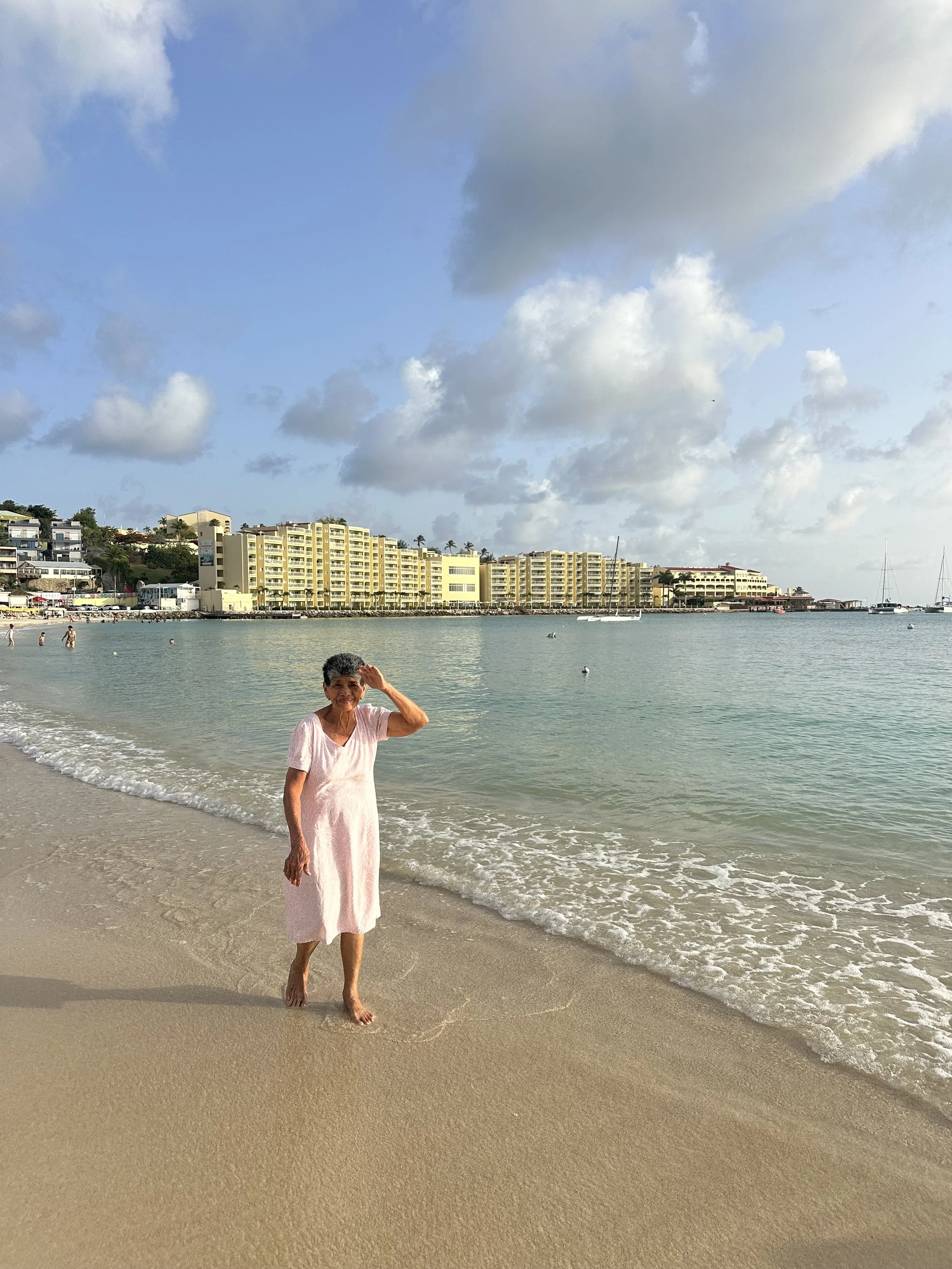
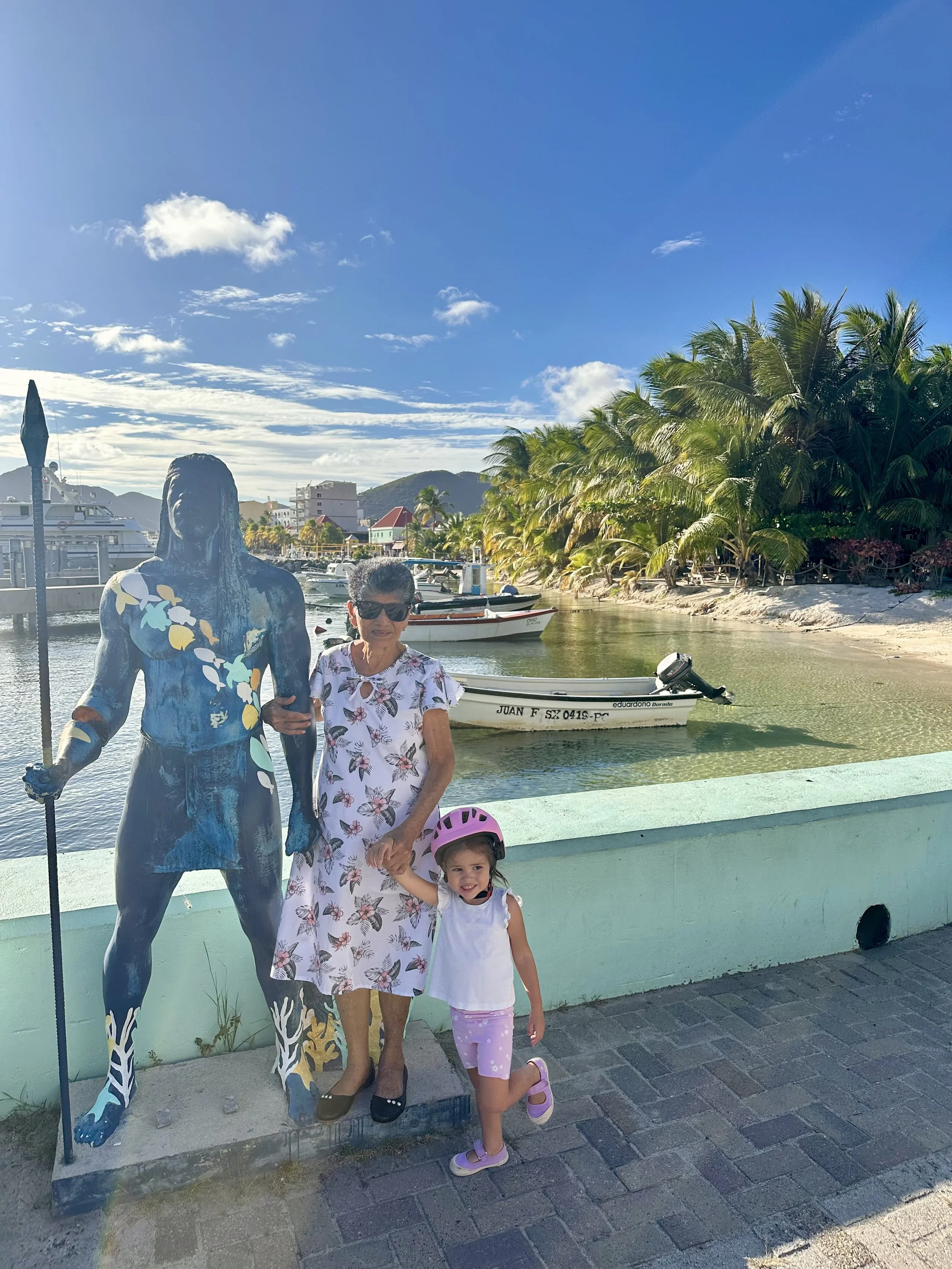
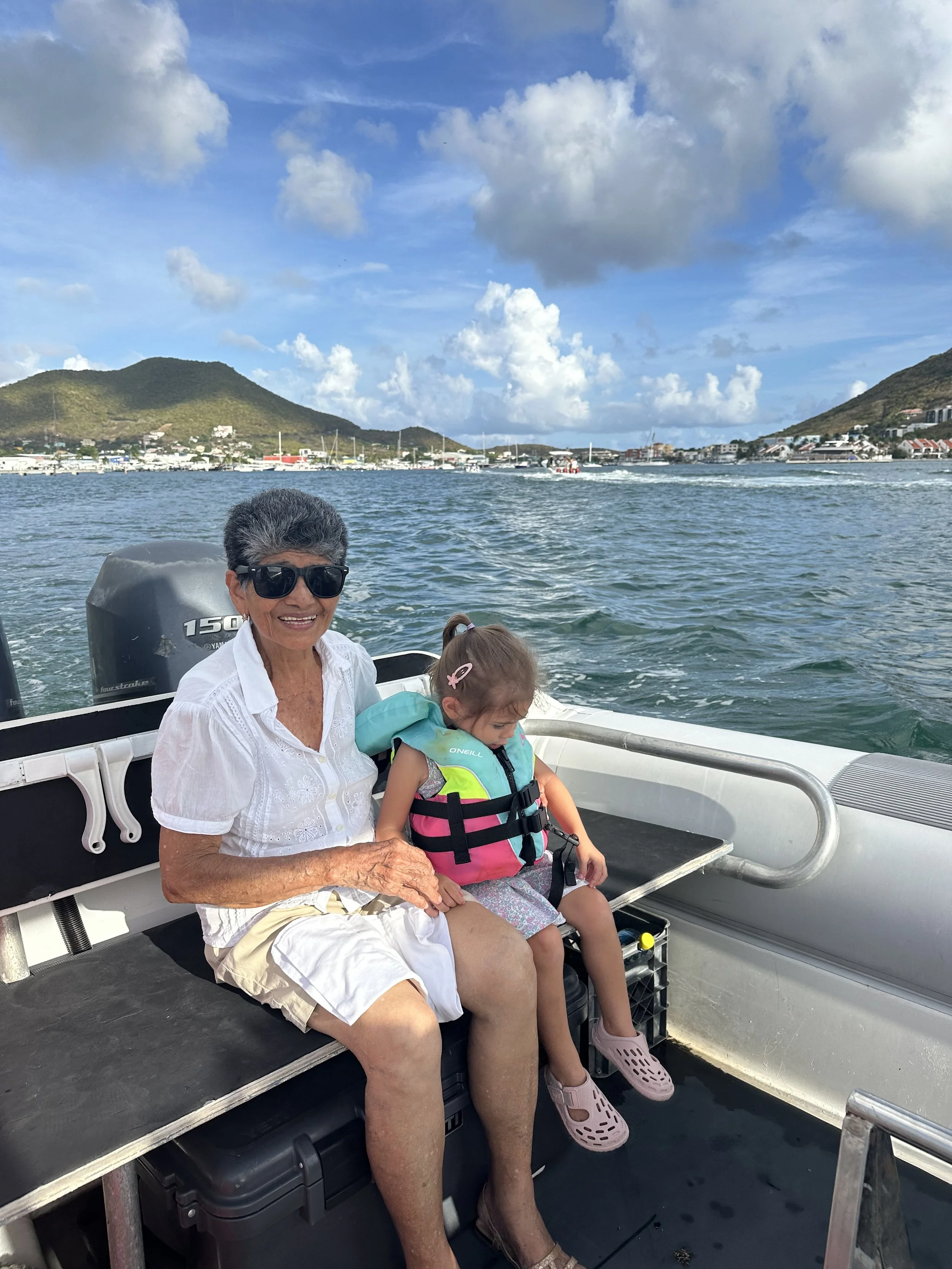
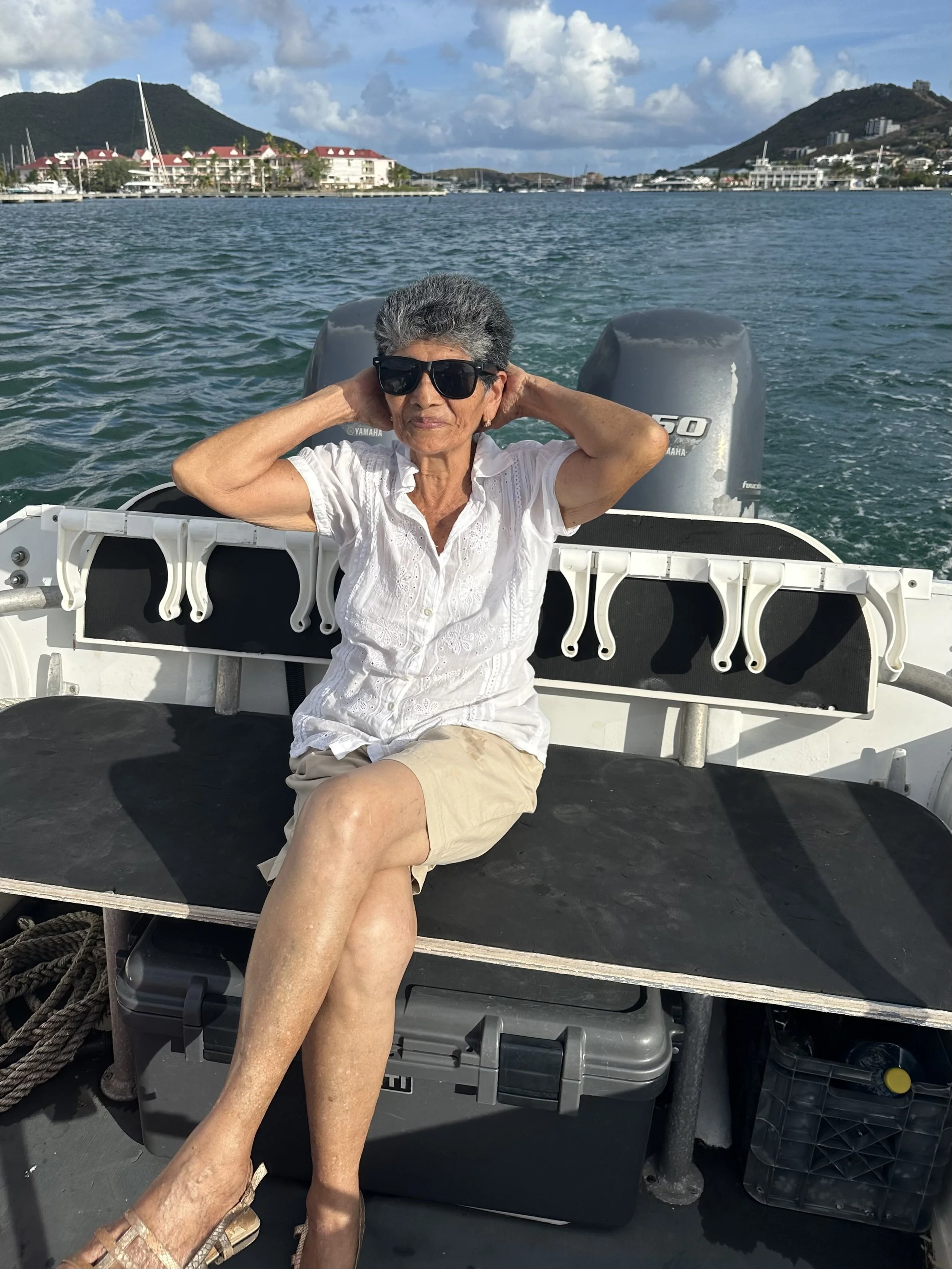
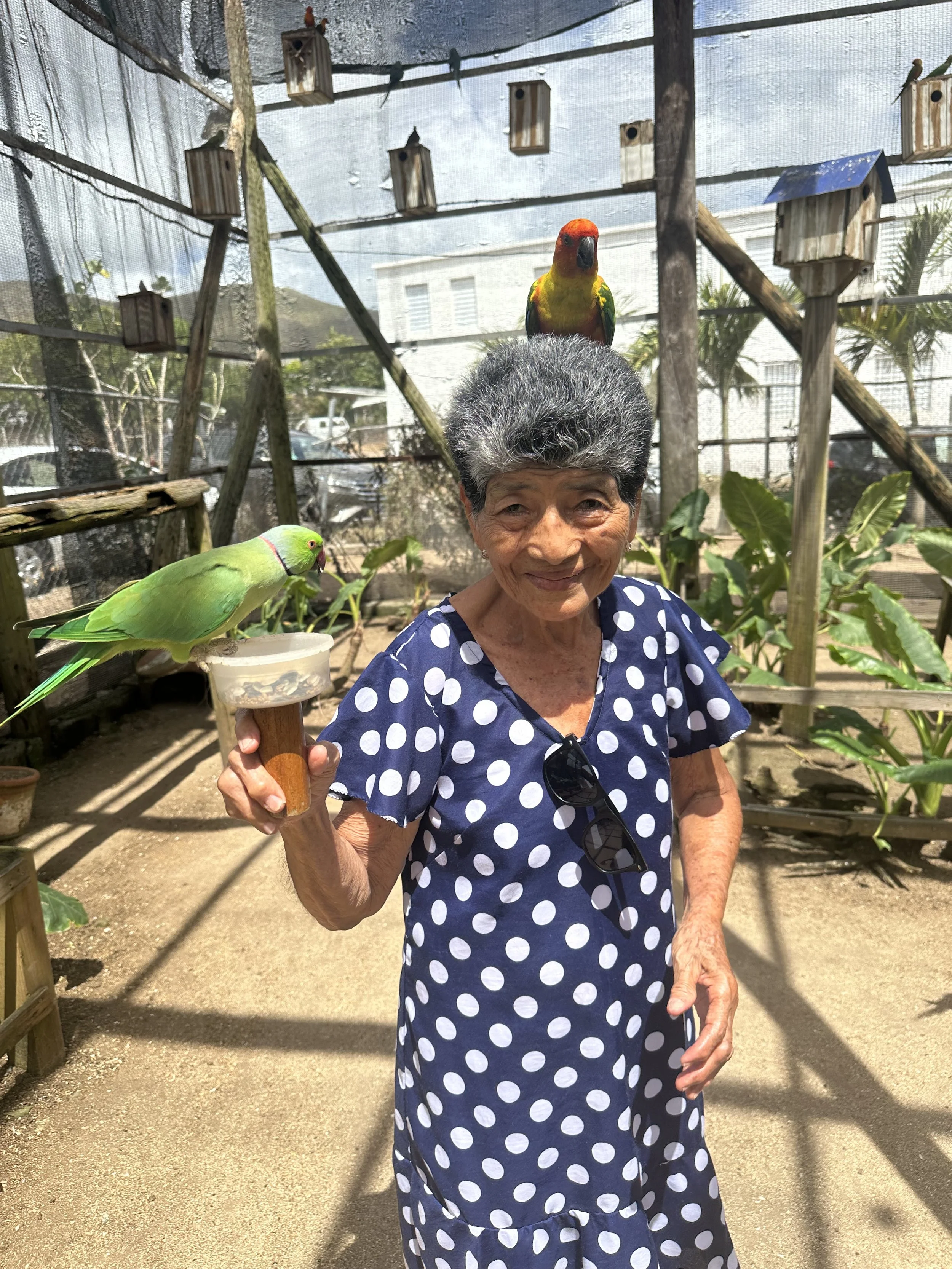
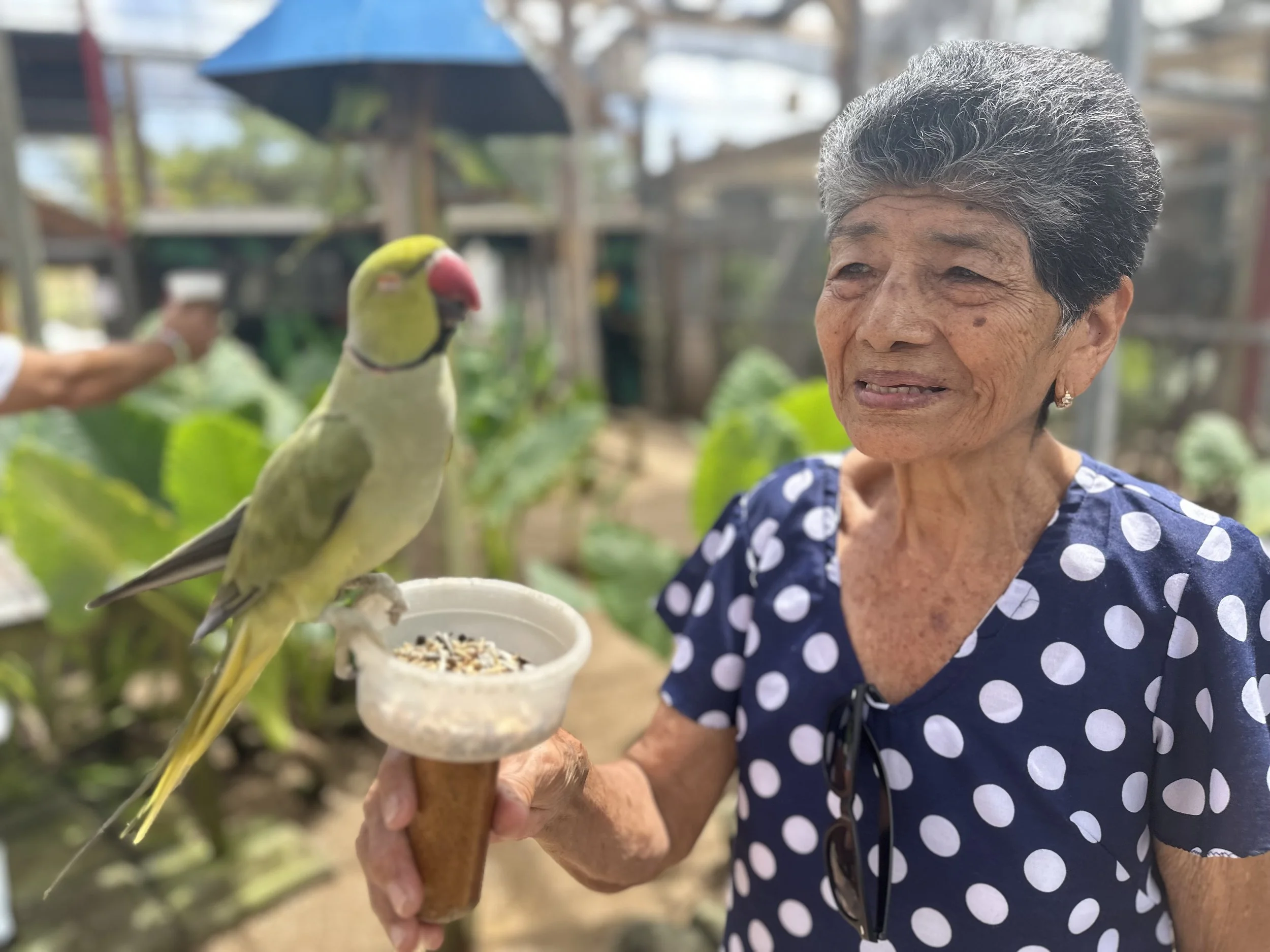
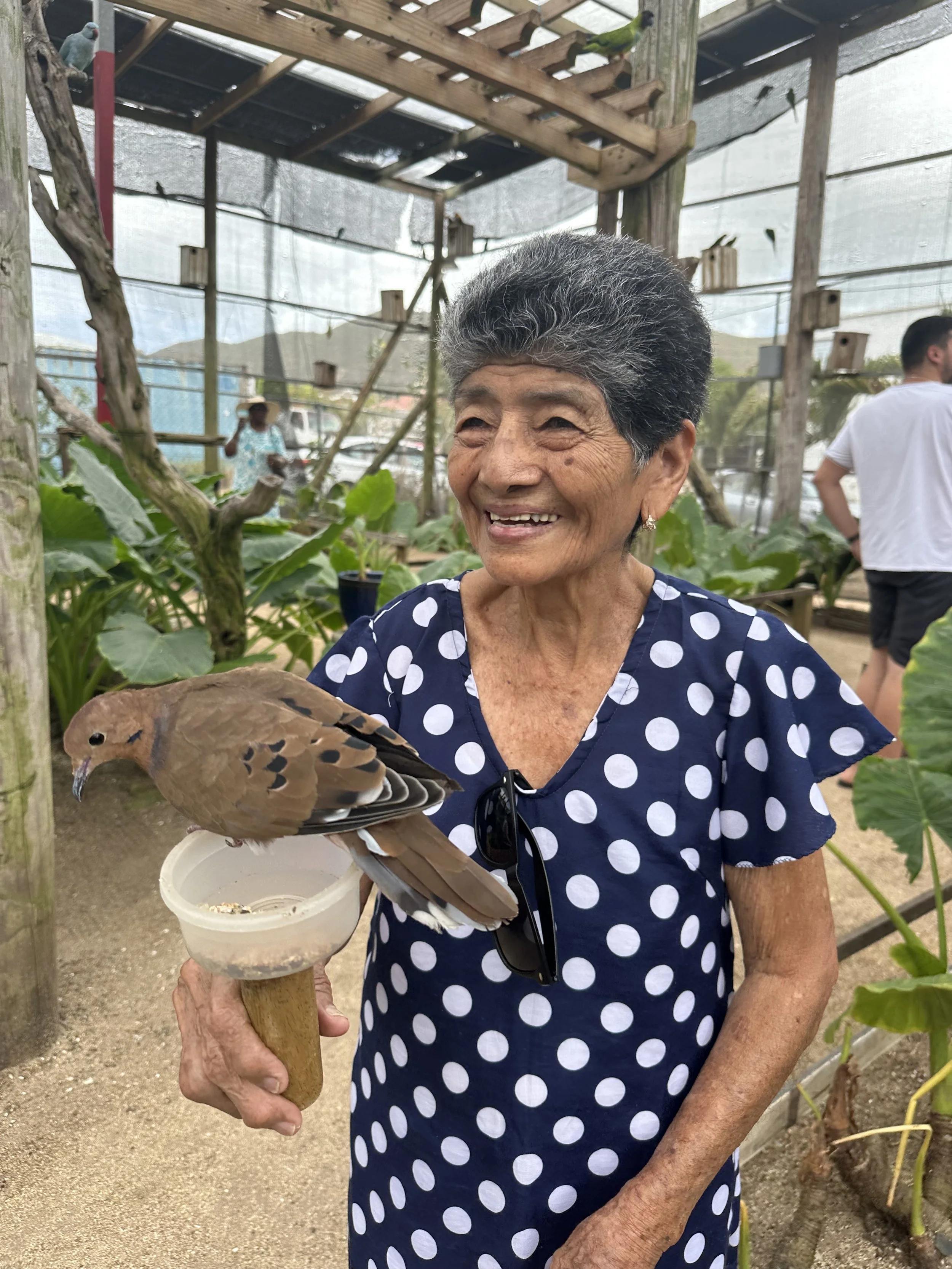
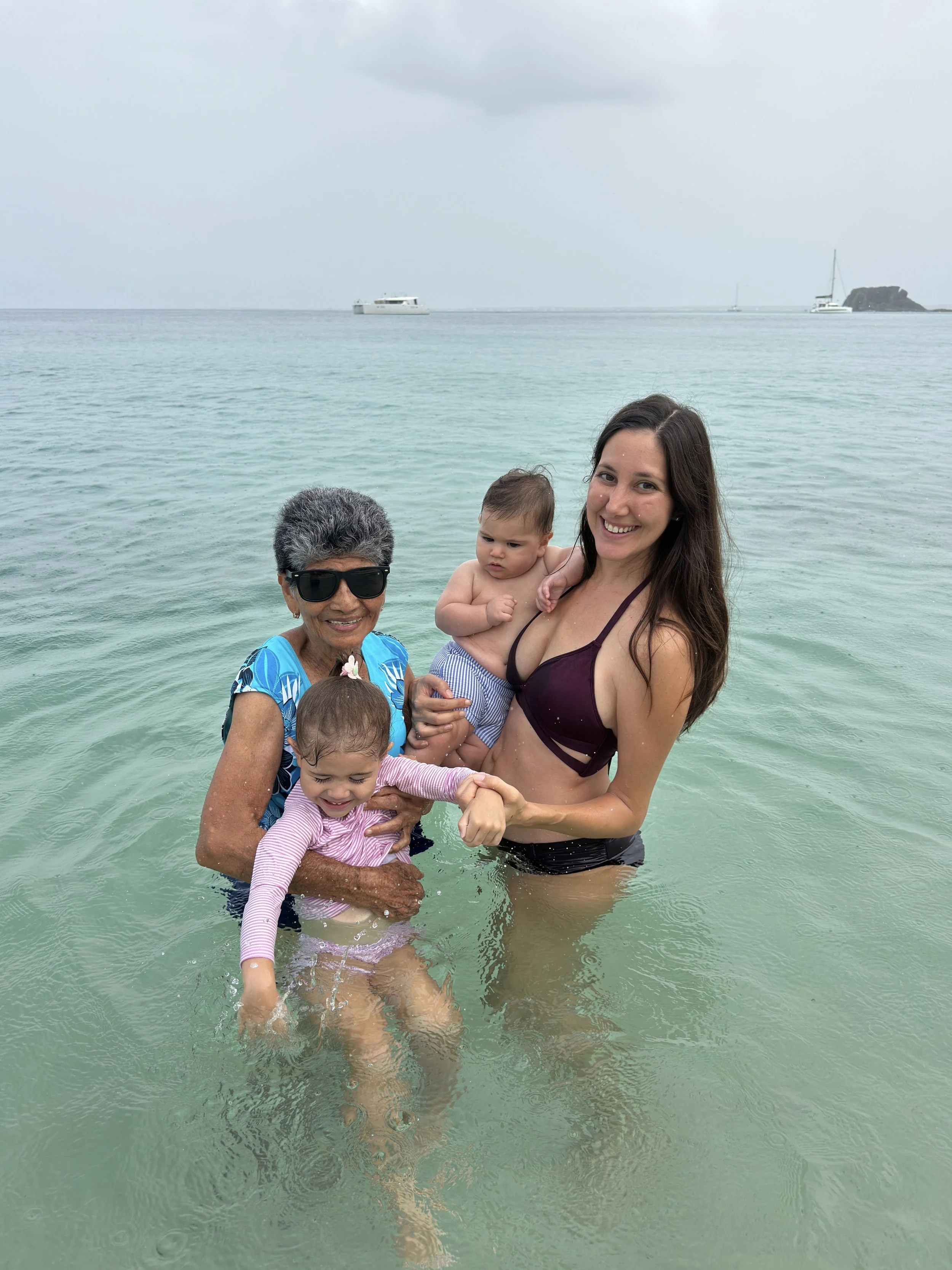
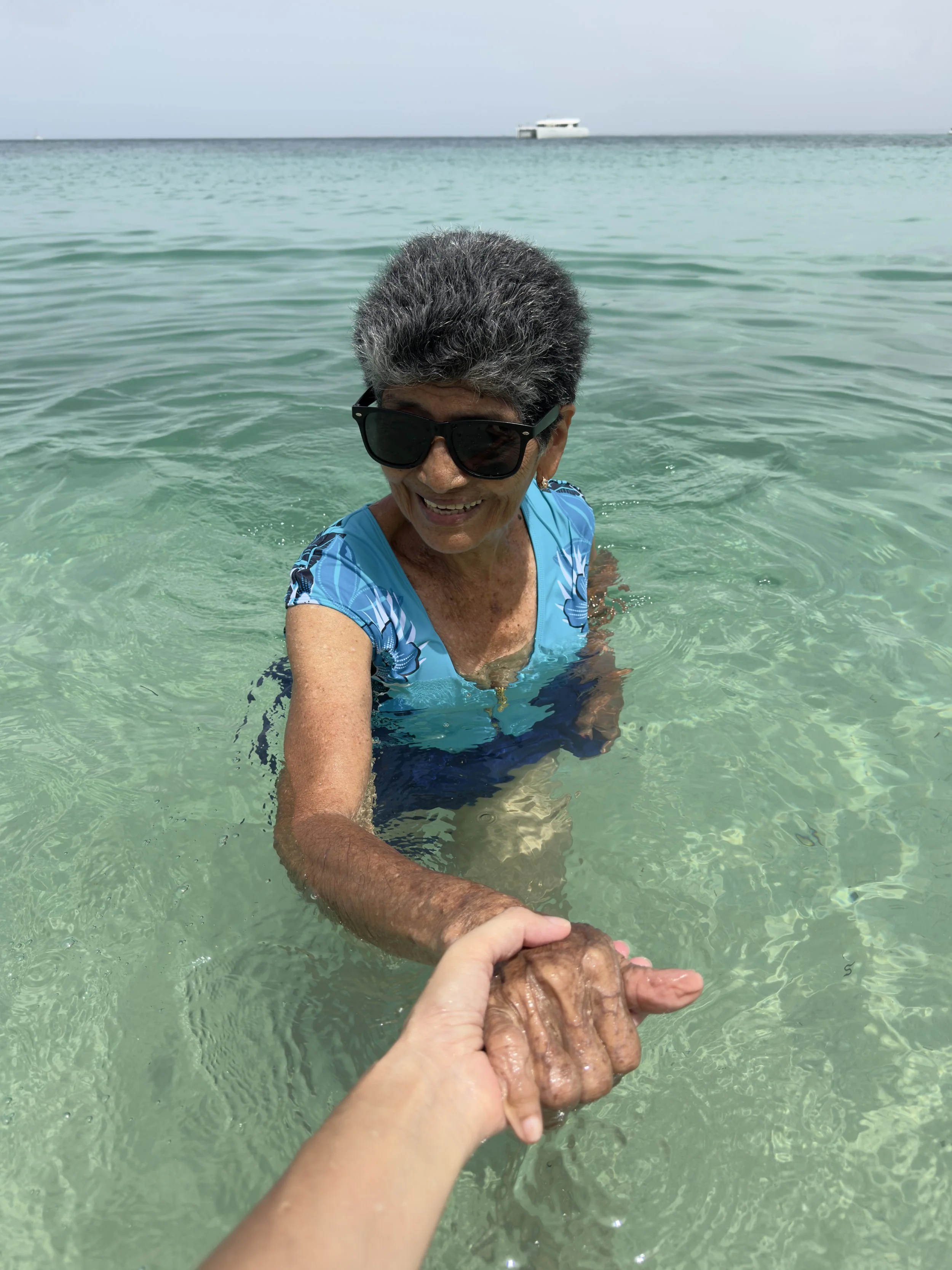
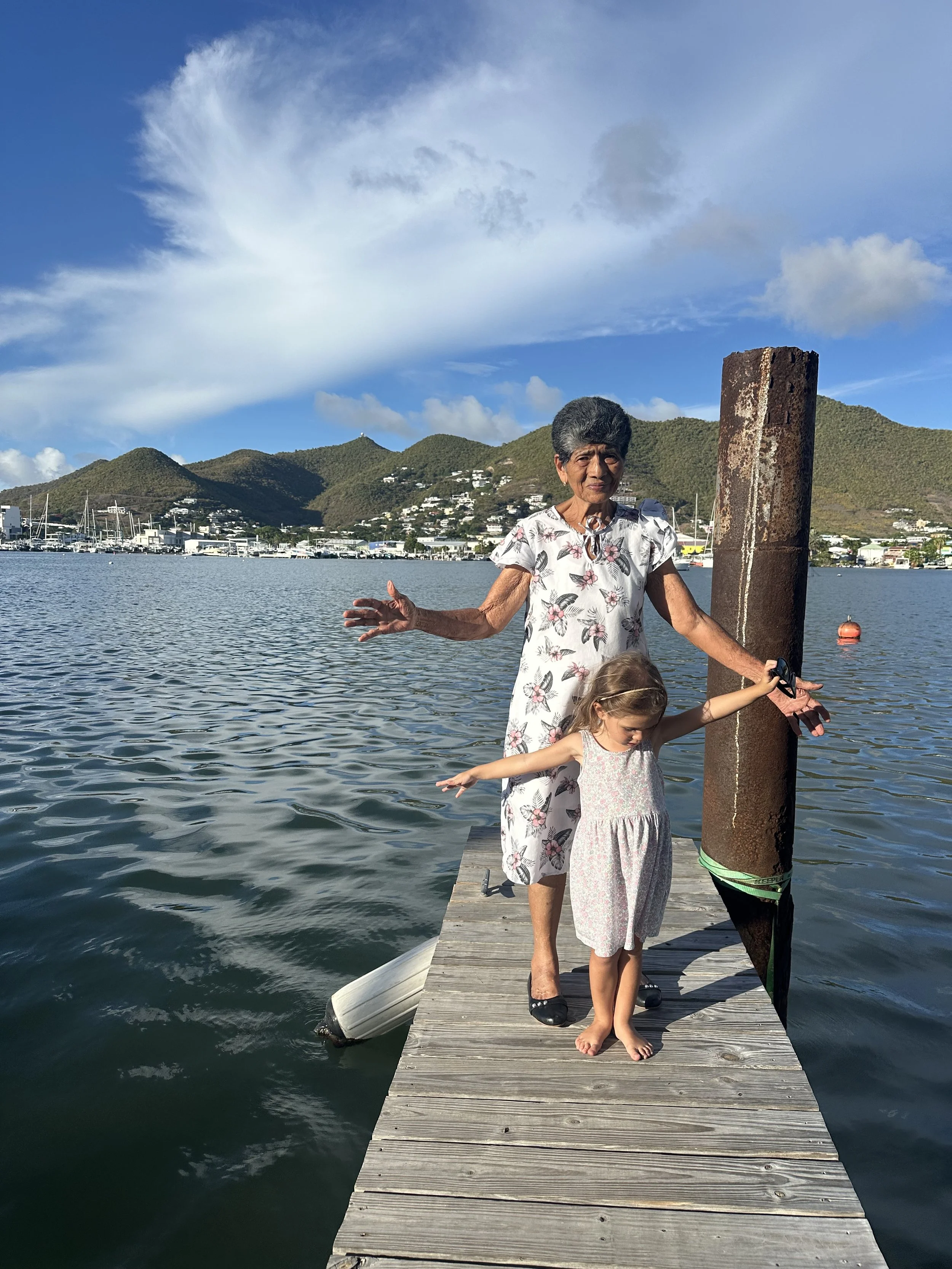
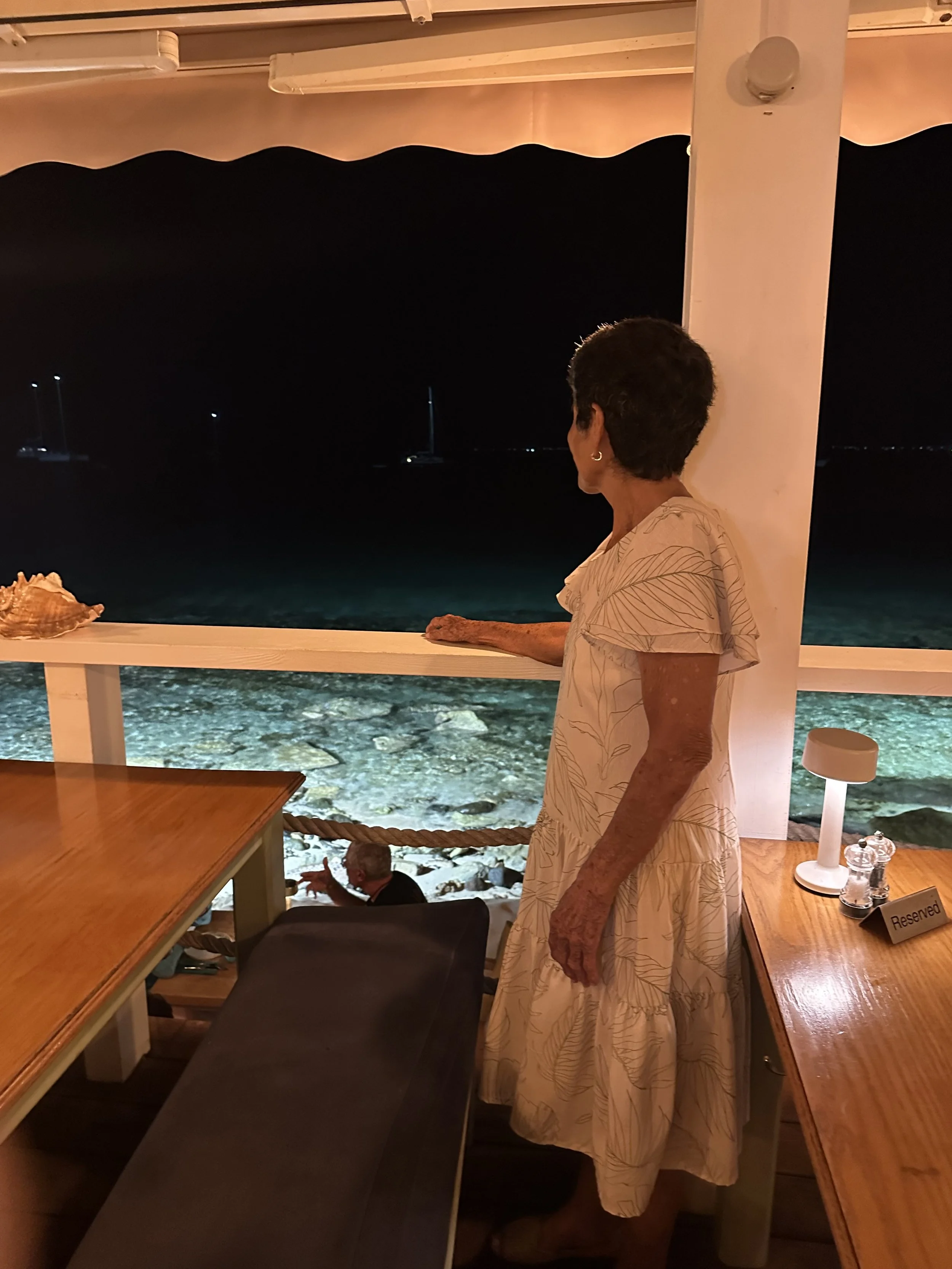
Ana loves being outside, but during her visit I realized that it isn't simply that she likes being outdoors. She genuinely loves nature. She loves the ocean, being on the boat, watching the fish and rays in the marina, and noticing the birds. She gets excited about animals. She loved my dog, Blacky, and was always happy to see him. She was fascinated by the tortoises and enjoyed being around every living thing she encountered.
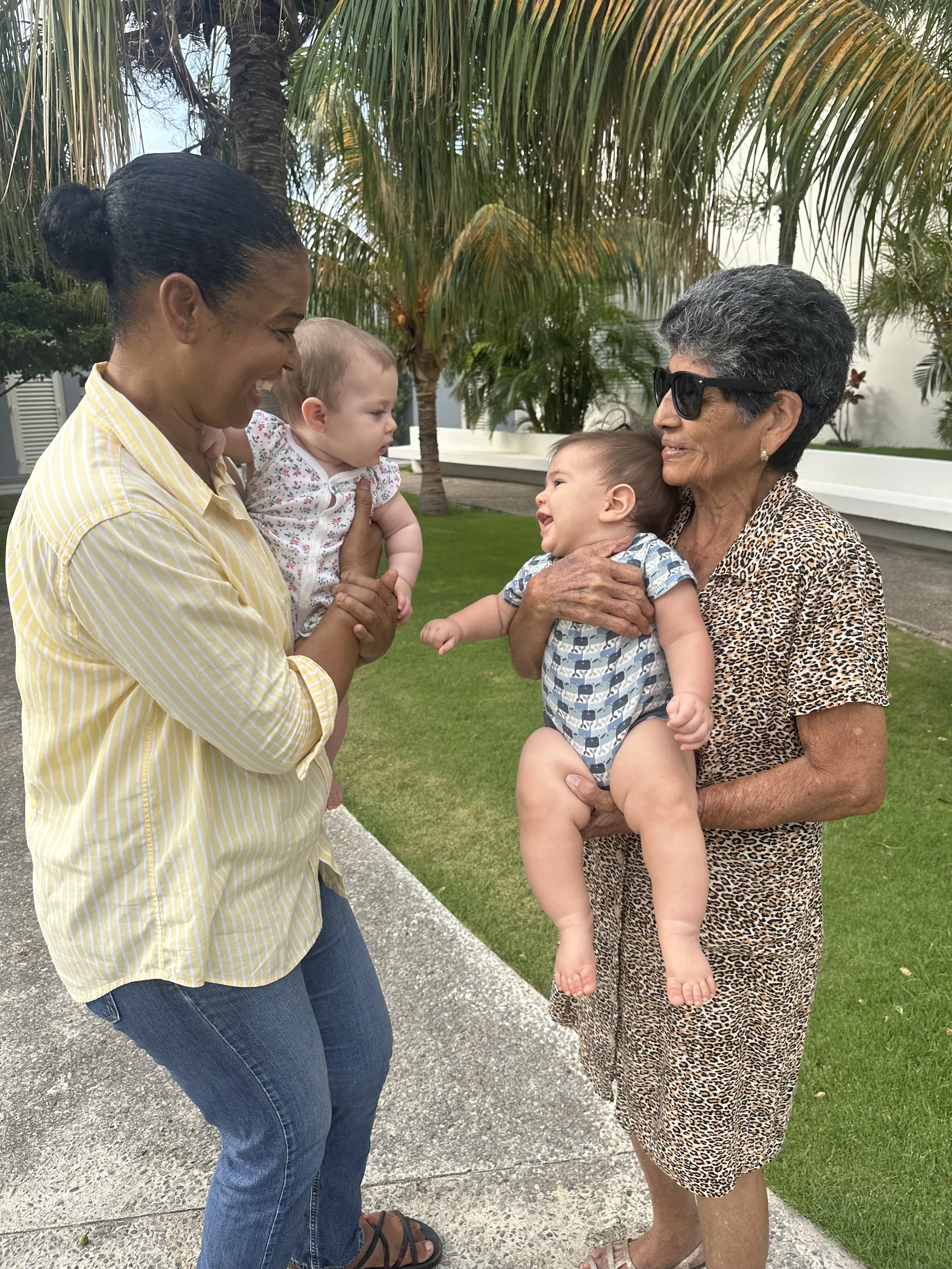
She especially loves babies and children. Watching her with Sofia and Leo made this incredibly obvious. She has a natural warmth toward children, and they seem to respond to it immediately.
There is something beautiful about watching an 82-year-old woman become excited about a baby, a bird, a fish, a dog, or a tortoise. She still notices things. She is still curious. She still delights in the world around her.
She also walks constantly and spends a great deal of time outdoors. She doesn't “exercise” in the way we usually think about exercise. Her entire day is filled with movement. She bends down to pick something up, walks somewhere, washes dishes, folds clothes, cleans, or plays with the children. Her body is simply part of her daily life. She never seems to have learned that being older means becoming inactive.
Strong Faith
There is another part of her routine that I find fascinating. Ana goes to bed early and wakes up early. She follows the rhythm of the day rather than fighting it.
Although she is constantly moving during the day, she also has quiet moments. Every morning and every night, she prays. She believes deeply in God. She gives thanks, asks God for help, and prays for her family and loved ones.
Her faith is not something she talks about constantly or tries to impose on anyone. It is simply woven into her daily life. It gives her a moment to stop, reflect, and be grateful.
In a world where we are constantly encouraged to optimize ourselves, Ana seems to have something much simpler: faith, routine, and gratitude.
And Then There Is the Laughter
Perhaps this is what I noticed most. Ana laughs... a lot.
If we tease her, she laughs. If something goes wrong, she laughs. If she makes a mistake, she laughs. She doesn't take herself particularly seriously.
She is a very proper, traditional, and conservative woman in many ways. She has strong values and is respectful, responsible, and incredibly correct. But she is also playful. She laughs with the children, she laughs with us, and she laughs at herself.
Somehow, that combination feels very healthy: strong principles, but a light heart.
Maybe We Have Complicated Health
Watching Ana for six weeks has made me think about how much we have complicated the concept of health.
We have turned health into an industry of protocols, supplements, workouts, trackers, diets, and optimization strategies. Yet Ana's life is built around things that are remarkably basic: real food, fresh air, sunlight, movement, good night's sleep, family, community, faith, purpose, work, nature, animals, children, and lots of laughter.
Of course, one woman cannot tell us what causes healthy aging. Genetics, environment, healthcare, socioeconomic circumstances, and countless other factors matter. She is simply one woman who has reached 82 with extraordinary physical strength, energy, and independence, and I had the privilege of watching her up close.
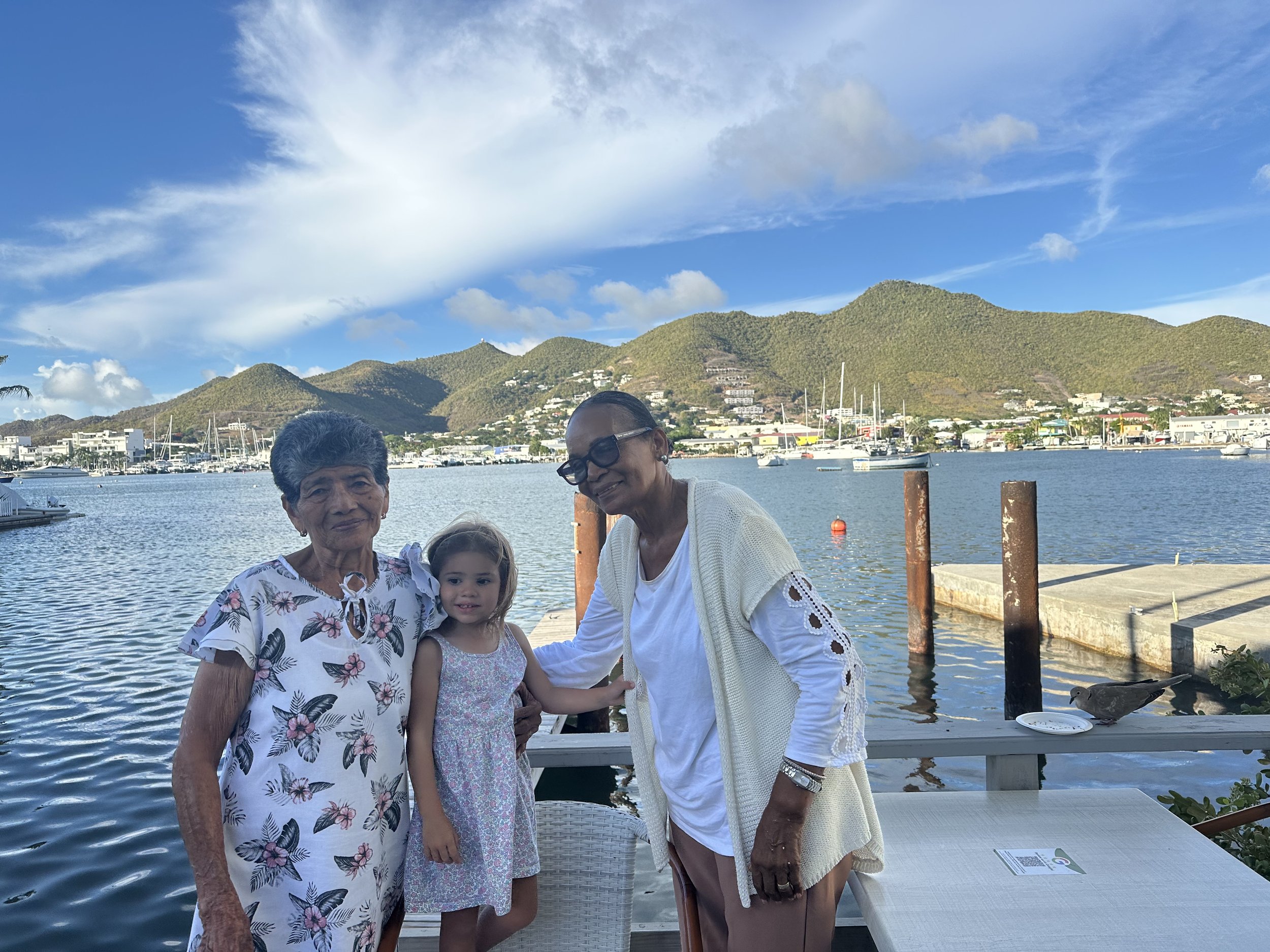
For six weeks, three generations of our story were under the same roof. The woman who knew me as a little girl was now getting up at six in the morning to walk my dog, washing dishes in my kitchen, folding my children's clothes, and playing with my babies.
And somehow, she was still the same Ana.
What struck me most was that she doesn't seem to organize her life around being 82. She expects to participate. She expects to help, to walk, to be useful.
Maybe healthy aging isn't only about adding things to our lives. Maybe, sometimes, it is about returning to the basics: eat small portions of real food, move constantly, get outside, spend time in nature, stay curious about the world, love animals, play with children, sleep and wake up early, stay close to your people, have faith, and don't take yourself too seriously.
Ana didn't come to our home to teach me any of this. She was just being Ana.
But after six weeks of watching her, I think I learned something anyway.