When “Normal” Isn’t Necessarily Optimal: Rethinking Childhood Illness
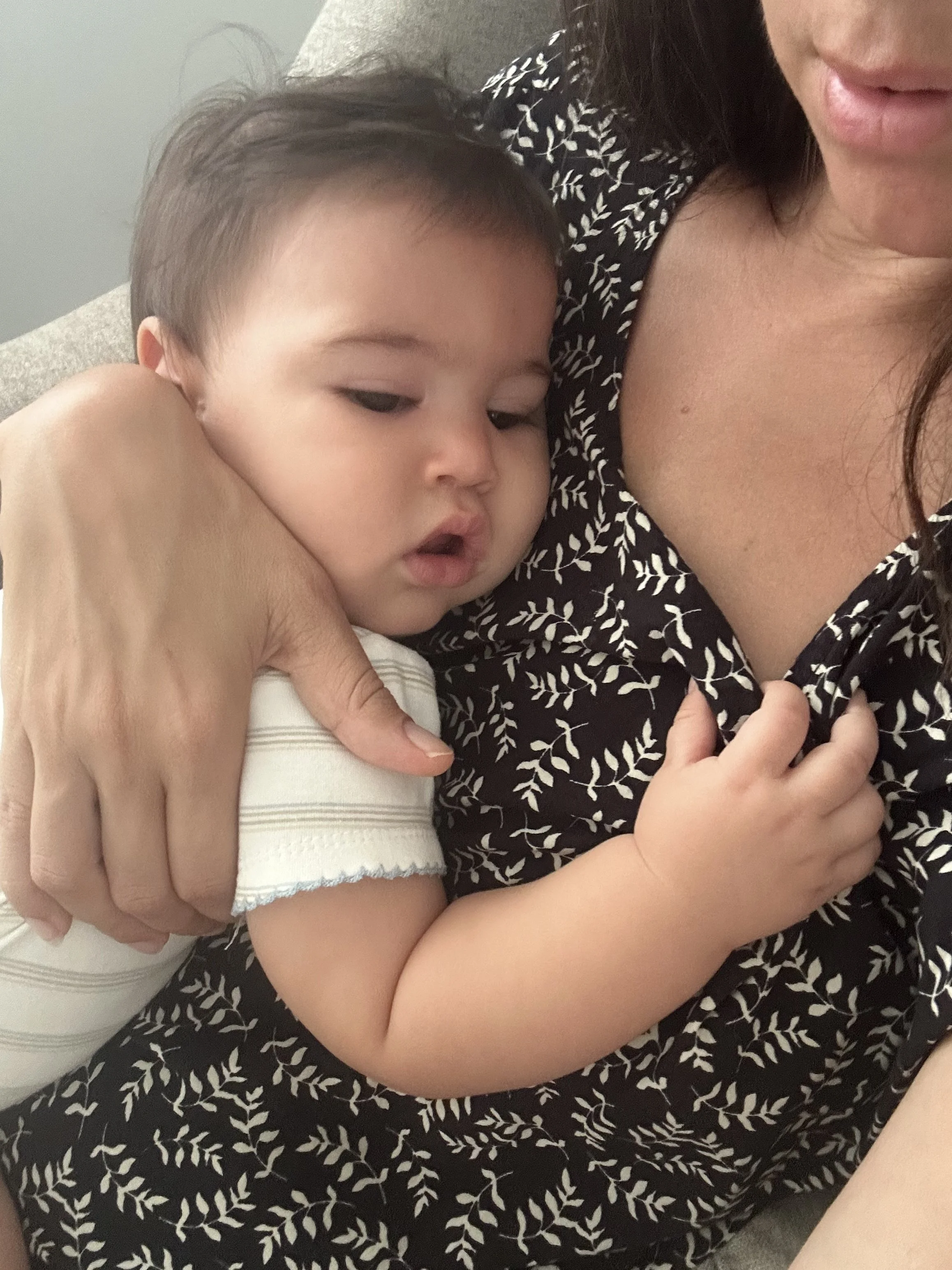
Seeing Leo sick for the first time made me reflect on how thoroughly we have normalized frequent childhood illness. Parents are constantly told that endless viruses are not only inevitable, but actually good for a child's immune system. But as I watched him struggle, I began to question whether frequent illness is truly biological optimization… or just something we’ve conditioned ourselves to accept.
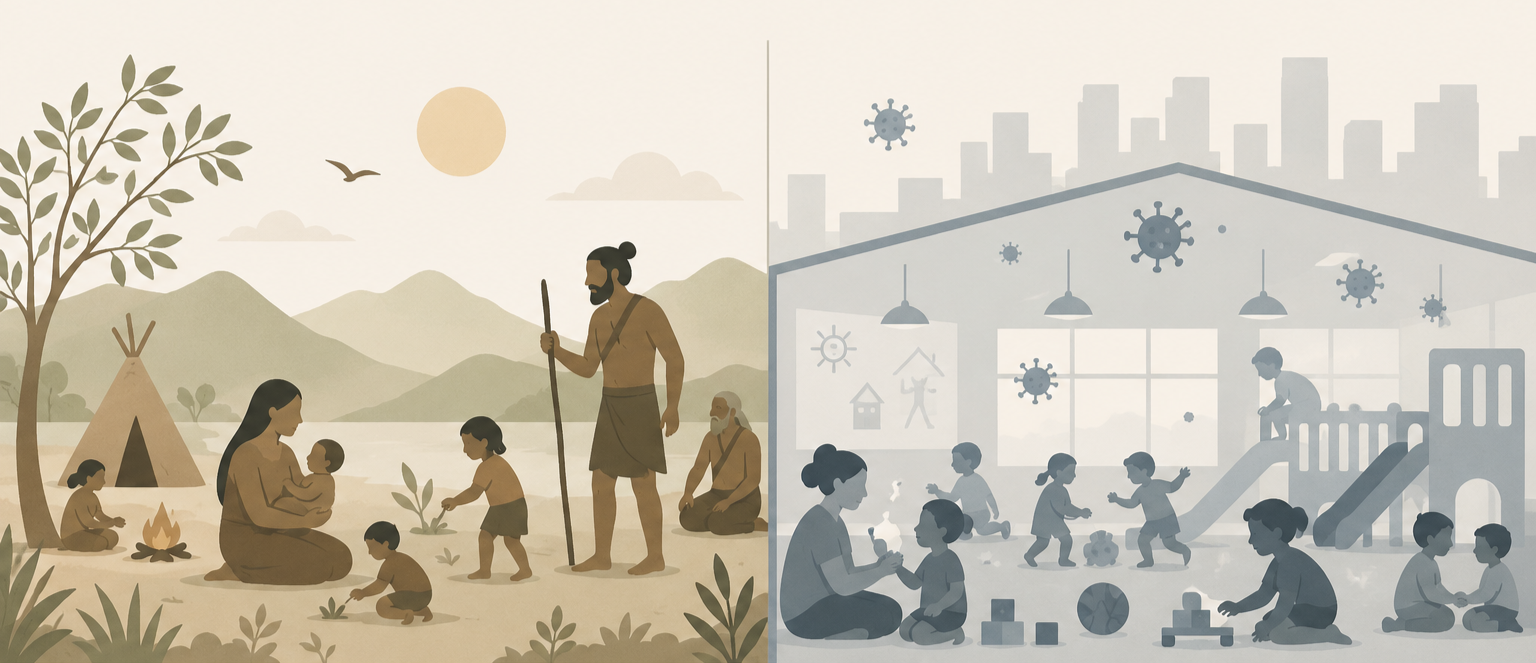
From an evolutionary and biological perspective, the microbial environment of young children has changed dramatically. For most of human history, children lived in relatively small, stable social groups. Their daily contacts were largely limited to parents, siblings, and a limited circle of relatives and community members. Pathogen exposure was real and sometimes severe, but it was not the continuous high-turnover transmission that characterizes many modern settings.
Today we routinely assemble large numbers of unrelated children from different households in daycares, playdates, parties, and playgrounds. These environments function as efficient transmission hubs for respiratory and gastrointestinal pathogens. Multiple cohort studies show that children in group care experience substantially higher rates of upper and lower respiratory infections and gastrointestinal illness in the early years compared with children cared for at home. Even without formal daycare, intermittent exposure through playgrounds and social events still places children within this modern transmission system.
Ancestral children certainly got sick… infectious disease was a major cause of childhood mortality. The relevant distinction is not whether illness existed, but whether frequent, recurring illness should be accepted as an inevitable and biologically neutral feature of early childhood.
There are reasons for concern. Early-life infections, particularly those that trigger systemic inflammation, are associated with later risks. Large epidemiological studies link childhood infections requiring medical attention to elevated rates of mental disorders in childhood and adolescence. Enteric infections and chronic low-grade inflammation have been tied to impaired cognitive development via gut–brain axis disruption. The developing brain is sensitive to immune signaling; cytokines and microglial activation that are adaptive during acute infection can, when repeated or prolonged, interfere with normal neurodevelopmental trajectories.
We have also normalized ready pharmacological intervention. Antipyretics and antibiotics are frequently used for relatively minor viral illnesses. Fever itself is an evolved component of the acute-phase response that can enhance certain immune functions. While modern medicine is indispensable when infection becomes serious, repeated early antibiotic exposure disrupts the developing gut microbiome, reduces microbial diversity, and has been associated with longer-term alterations in immune memory, growth trajectories, and risk of allergic and metabolic conditions.
Personally, I find myself more drawn to the older human relationship with recovery: rest, sunlight, fresh air, hydration, nourishing food, and traditional remedies when appropriate. Not because “natural” is automatically superior, but because the body is often capable of managing milder infections with supportive care, and because we have become increasingly disconnected from those basic biological supports.
The deeper issue is structural. I suspect we have normalized constant childhood illness for several interlocking reasons: First, the near-disappearance of the extended “tribe” (grandparents, aunts, cousins, and neighbors) who once shared the workload of raising young children leaves many parents isolated and overwhelmed, making full-time daycare a practical necessity rather than a free choice. Second, in many societies, social and economic status now outweighs the prioritization of children’s physical and emotional wellbeing; the pressure to maintain dual incomes, careers, and material standards often takes precedence over arrangements that would reduce children’s pathogen exposure. Third, there remains a widespread under-appreciation of the cumulative biological costs of frequent early-life infection. The common narrative that “kids just get sick a lot and it builds immunity” overlooks growing evidence that recurrent illness, inflammation, and the medications that often follow can affect microbiome development, immune calibration, brain development, and later mental health.
A parent’s intense attentiveness when a child is sick is not a maladaptive overreaction; it is the attachment system operating as natural selection shaped it. Rather than simply training parents to tolerate more separation, exhaustion, and illness, we might ask whether our values and communities could be better aligned with the biological realities of childhood: the need for stable relationships, lower pathogen load in early life, and sufficient parental presence.
Frequent childhood illness is common in our current environments. That does not automatically make it optimal for immune, cognitive, or emotional development.
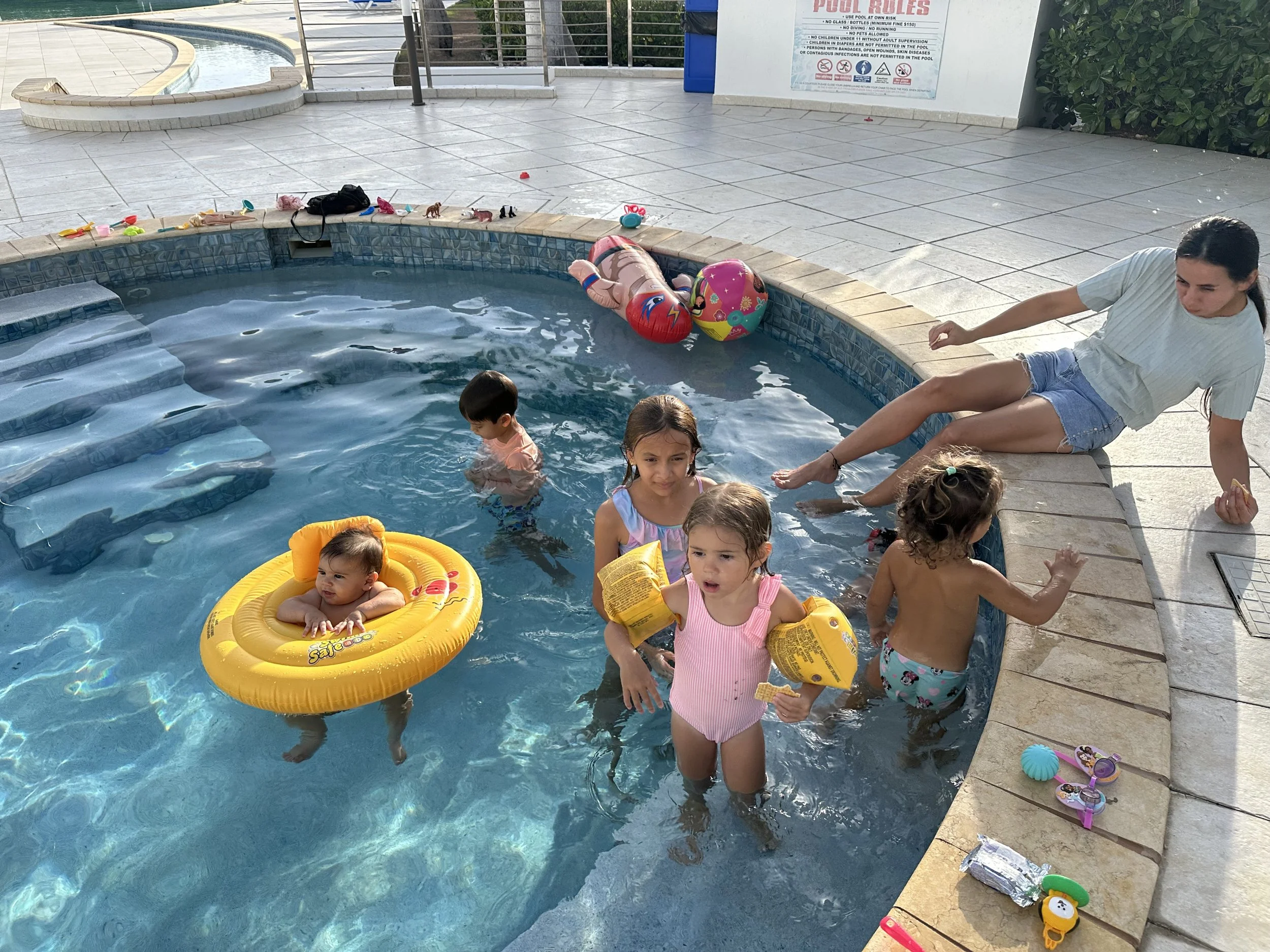
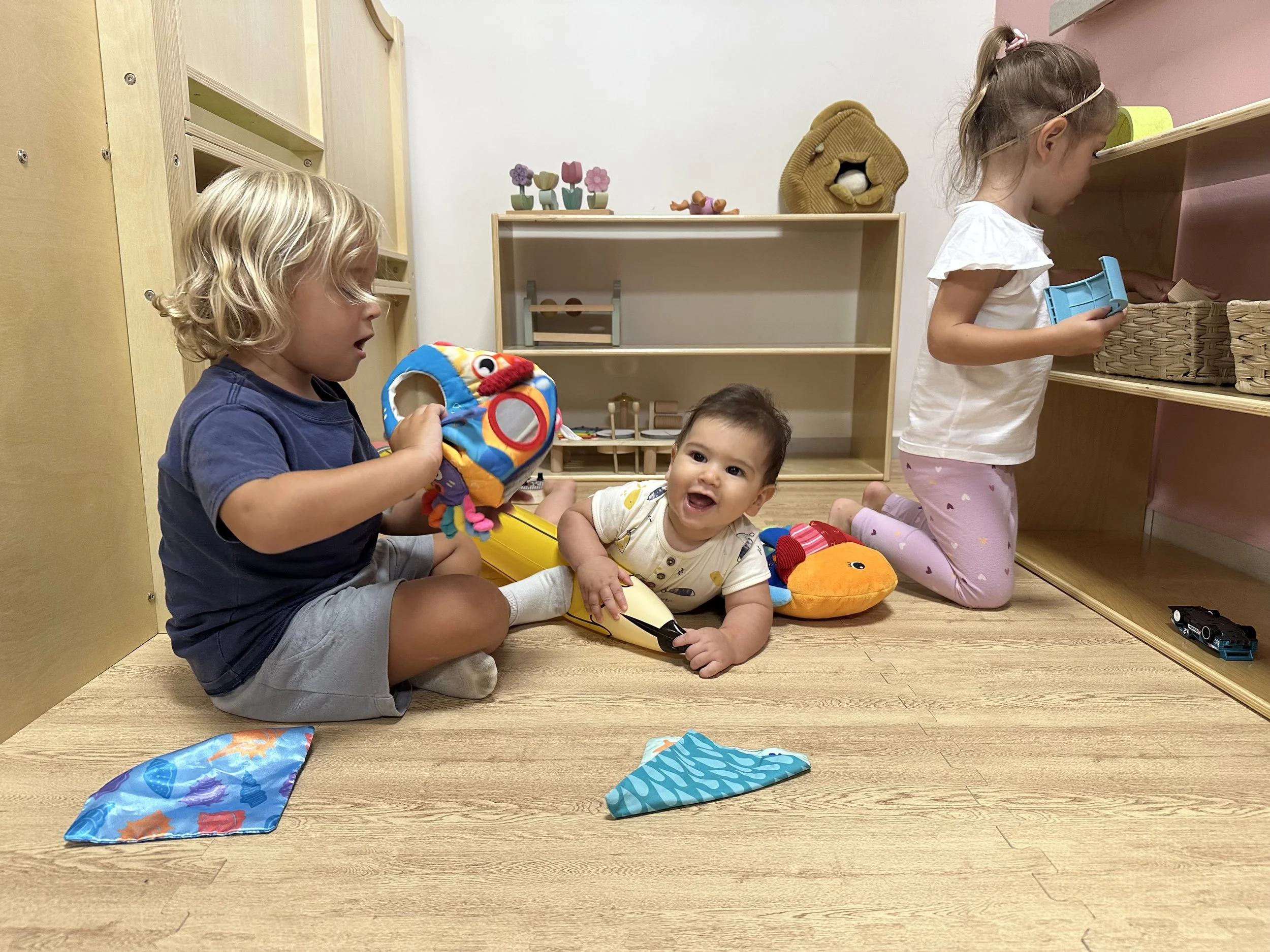
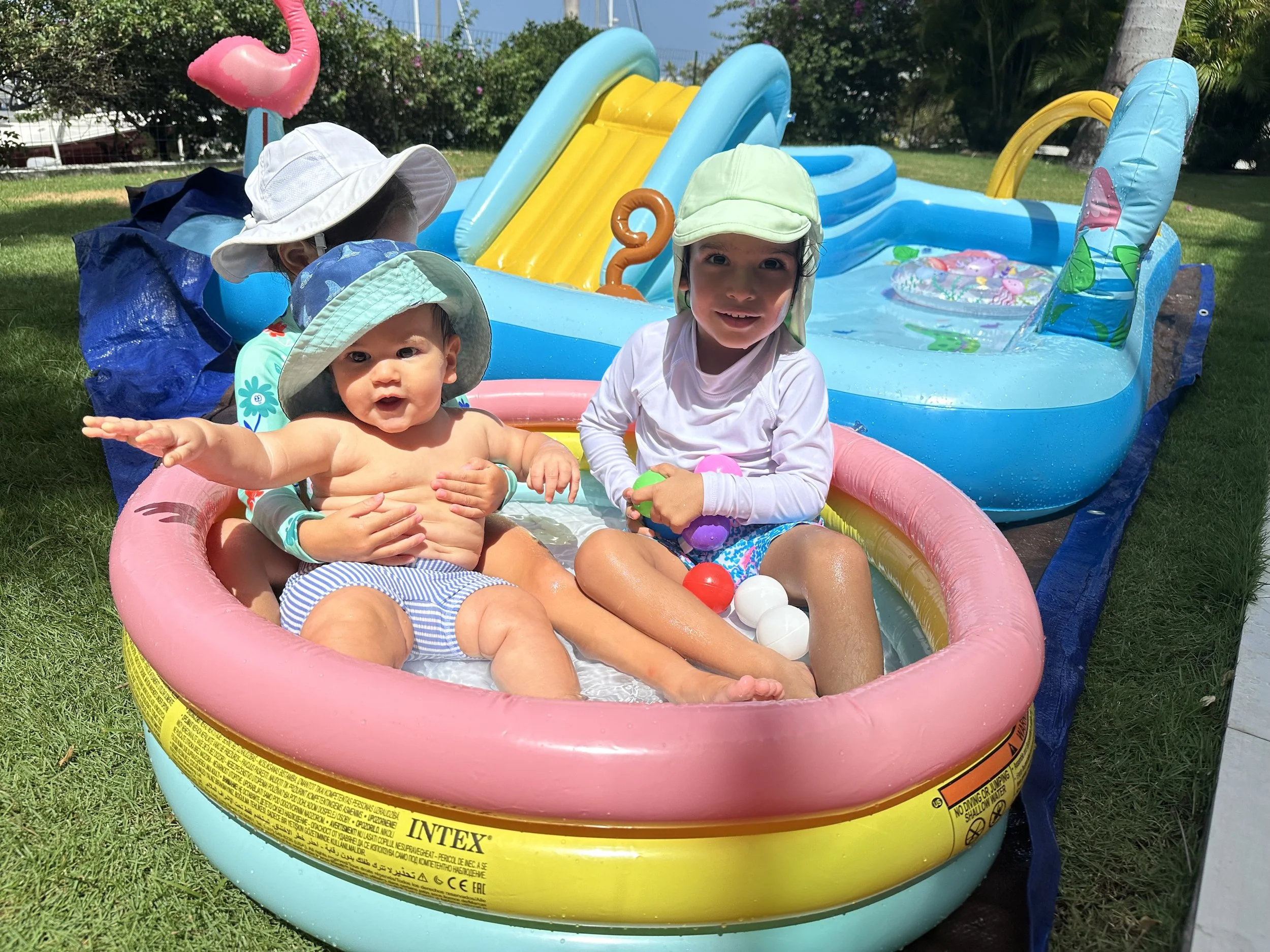
Pictures below: Leo having fun with other kids during playdates and at an indoor playground… and the last picture is Leo sick with his first cold :(